Gynecomastia Surgery in Albania | Male Breast Reduction at Hygeia Plastic Surgery

What is Gynecomastia?
The condition is remarkably common, affecting approximately 40-50% of men at various life stages. Gynecomastia can develop during infancy, puberty, or adulthood, with each age group experiencing different underlying causes and characteristics.
Who is an Ideal Candidate for Gynecomastia Surgery?
Gynecomastia surgery can be genuinely transformative, but not everyone is an appropriate candidate. During your consultation at Hygeia Plastic Surgery, our experienced plastic surgeons will carefully evaluate whether you are suitable for this procedure.
You may be an excellent candidate if you:
- Have persistent breast enlargement despite weight loss and exercise attempts
- Experience physical discomfort from enlarged breast tissue
- Feel self-conscious about your chest appearance
- Avoid certain activities or clothing due to breast size
- Are in good overall physical and mental health
- Have realistic expectations about surgical outcomes
- Maintain a stable, healthy weight close to your ideal BMI
- Do not smoke or are willing to quit before surgery
- Have completed puberty and chest development has stabilized
- Are not using steroids or medications causing gynecomastia


The Best Candidates For Gynecomastia Surgery…

Gynecomastia Surgery | Procedure Overview
Gynecomastia surgery is more straightforward than many patients expect. The procedure typically takes 1–2 hours and is performed under general anaesthesia to ensure comfort throughout.
During the surgery, our experienced surgeons at Hygeia remove excess glandular tissue, fat, or both to create a flatter, more masculine chest contour. Depending on the severity, this may involve direct excision, liposuction, or a combination of techniques, all carefully planned to achieve natural-looking results and minimal scarring.
Most patients go home the same day and can return to light daily activities within one to two weeks. Swelling gradually subsides over the following weeks, revealing a firmer, more defined chest. The results are long-lasting, and the procedure is performed in our modern Tirana hospital with 24/7 medical support available throughout your recovery.
| Duration | 1–2 hours |
| Anaesthesia | General anaesthesia |
| Treatment Area | Male chest (breast tissue and fat) |
| Sutures | Dissolvable |
| Recovery | Back to light activities in ~1–2 weeks |
| Results | Long-lasting / permanent |
| Stay | Same-day discharge |
Understanding the Causes of Gynecomastia
Gynecomastia develops due to various factors that disrupt the normal balance between male and female hormones:
Hormonal Changes: Natural hormonal fluctuations during puberty, aging, or medical conditions can trigger breast tissue growth. Declining testosterone levels in older men often contribute to gynecomastia development.
Medications: Certain medications can cause gynecomastia as a side effect, including anti-androgens used for prostate conditions, anabolic steroids, some antidepressants, heart medications, antibiotics, and anti-anxiety medications.
Health Conditions: Medical conditions affecting hormone production or metabolism can lead to gynecomastia, including hypogonadism, hyperthyroidism, kidney failure, liver disease, and tumors affecting hormone-producing glands.
Lifestyle Factors: Obesity contributes to gynecomastia by increasing estrogen production in fatty tissue. Excessive alcohol consumption can disrupt hormone balance and affect liver function, leading to breast tissue enlargement. Marijuana and certain recreational drugs are also associated with gynecomastia.
Idiopathic Gynecomastia: In many cases, no specific cause can be identified, and the condition is classified as idiopathic gynecomastia.
Types of Gynecomastia
Understanding the type of gynecomastia you have helps determine the most appropriate treatment approach:
Glandular Gynecomastia: Characterized by firm, rubbery breast tissue beneath the nipple, this type involves excess glandular tissue and often requires surgical excision for correction.
Fatty Gynecomastia (Pseudogynecomastia): Consists primarily of fatty tissue without significant glandular enlargement. This type often responds well to liposuction techniques alone.
Mixed Gynecomastia: The most common presentation, combining both glandular tissue and excess fat, typically requiring a combination of surgical excision and liposuction for optimal results.
Grading System
Gynecomastia is classified using a grading system that helps surgeons plan appropriate treatment:
- Grade I: Minor enlargement, no excess skin
- Grade II: Moderate enlargement, no excess skin
- Grade III: Moderate enlargement with excess skin
- Grade IV: Marked enlargement with significant excess skin
At Hygeia Plastic Surgery, we assess your specific grade and type of gynecomastia during your consultation to develop a personalized surgical plan that addresses your unique anatomy and aesthetic goals.
Medical Considerations for Gynecomastia Surgery
Hormonal Stability: Your hormone levels should be stable, particularly if you experienced gynecomastia during puberty. We typically recommend waiting until breast development has been stable for at least one to two years.
Weight Management: While you don’t need to be at your absolute ideal weight, significant obesity can complicate surgery and affect results. We may recommend achieving a healthier weight before proceeding with surgery.
Underlying Causes: Any underlying medical conditions contributing to gynecomastia should be identified and managed before surgery. This may involve endocrine evaluation and treatment of hormonal imbalances.
Psychological Readiness: Gynecomastia can significantly impact self-esteem and quality of life. Good candidates have realistic expectations and understand that while surgery can dramatically improve chest appearance, it cannot solve all life problems or guarantee perfection.
When to Wait
Surgery may need to be postponed if you:
- Are still in puberty with ongoing breast development
- Have uncontrolled medical conditions such as diabetes or heart disease
- Are actively using anabolic steroids or medications causing gynecomastia
- Have unrealistic expectations about surgical outcomes
- Are significantly overweight and would benefit from weight loss first
- Have active chest infections or skin conditions
Adolescent Considerations
Gynecomastia is common during puberty and often resolves naturally within two years. For adolescent patients, we typically recommend a waiting period to allow natural resolution. However, if breast enlargement persists beyond age 17-18, causes significant psychological distress, or shows no signs of improvement, surgery may be appropriate.
Our surgeons take special care when evaluating younger patients, ensuring both the adolescent and parents understand the procedure, have appropriate expectations, and are psychologically prepared for surgery.

Gynecomastia Surgery Procedure Overview
At Hygeia Plastic Surgery, gynecomastia correction is performed using advanced techniques tailored to your specific condition, ensuring optimal results with minimal scarring and downtime.
Pre-Operative Preparation
Your surgical journey begins with thorough preparation to ensure the best possible outcome and minimize complications.
Initial Consultation: During your consultation, your surgeon will examine your chest, assess the type and grade of gynecomastia, review your medical history, discuss your goals and expectations, and explain the surgical approach best suited to your needs.
Medical Evaluation: You will undergo comprehensive medical screening including blood tests, hormone level assessment if indicated, chest imaging if necessary, and cardiovascular evaluation to ensure fitness for surgery.
Pre-Operative Instructions: To optimize safety and results, you will receive specific guidelines including:
- Stop smoking at least four weeks before surgery
- Avoid aspirin, anti-inflammatory medications, and supplements that increase bleeding risk for two weeks before surgery
- Arrange for someone to drive you home and stay with you for at least 24 hours post-surgery
- Fast as directed before surgery (typically no food or drink for six hours prior)
- Wear comfortable, button-up clothing on surgery day
Surgical Techniques
The specific surgical approach depends on your gynecomastia type, grade, and individual anatomy. Our surgeons employ the most appropriate technique or combination of techniques to achieve optimal results.
Liposuction: For cases involving primarily fatty tissue, liposuction alone may be sufficient. Small incisions (typically 3-4mm) are made at inconspicuous locations, usually at the edge of the areola or in the armpit. A thin cannula is inserted to break up and remove excess fat, sculpting a flatter, more masculine chest contour.
Modern liposuction techniques such as power-assisted liposuction (PAL) or ultrasound-assisted liposuction (UAL) may be used to achieve more precise results with less trauma to surrounding tissues.
Surgical Excision: When significant glandular tissue is present, direct surgical excision is necessary. An incision is typically made along the lower border of the areola (periareolar incision), where the scar will be well-concealed. Through this incision, excess glandular tissue is carefully removed while preserving nipple sensation and blood supply.
In more severe cases with substantial skin excess, additional incisions may be necessary to remove redundant skin and reposition the nipple to a more appropriate location.
Combined Approach: Most commonly, a combination of liposuction and surgical excision provides the best results. Liposuction removes excess fat, while surgical excision addresses firm glandular tissue. This comprehensive approach ensures complete correction and optimal chest contour.
Nipple and Areola Adjustment: If your areolas are enlarged (a common feature of gynecomastia), they can be reduced during the same procedure. Similarly, if the nipples sit too low on the chest, they can be repositioned to create a more aesthetically pleasing result.
Anaesthesia
Gynecomastia surgery is typically performed under general anaesthesia, ensuring you remain completely comfortable and pain-free throughout the procedure. An experienced anaesthesiologist will be present throughout surgery to monitor your vital signs and adjust anaesthesia as needed.
In select cases involving only minor breast reduction with liposuction, local anaesthesia with sedation may be an option, though general anaesthesia is generally preferred for patient comfort and optimal surgical conditions.
Duration
The length of gynecomastia surgery varies based on the extent of correction needed:
- Liposuction only: 1-2 hours
- Glandular excision: 1.5-2 hours
- Combined procedures: 2-3 hours
- Extensive cases with skin removal: 3-4 hours
Your surgeon will provide a more accurate timeframe once your personalized treatment plan is established.

Recovery and Healing Timeline
Understanding the recovery process helps you plan appropriately and ensures optimal healing after your gynecomastia surgery.
Immediate Post-Operative Period (Days 1-7)
Following surgery, you will spend time in our recovery suite while the effects of anaesthesia wear off. Once our nursing team is satisfied with your initial recovery, you will be able to return to your accommodation with your companion.
What to Expect:
- Moderate discomfort, tightness, and soreness in the chest area (managed with prescribed pain medication)
- Swelling and bruising, which peak around day 3-4
- Compression garment worn continuously to support healing and reduce swelling
- Surgical drains (if used) typically removed within 3-5 days
- Minimal physical activity, with short walks encouraged to promote circulation
Activity Restrictions:
- Keep the chest area clean and dry
- Avoid lifting your arms above shoulder height
- No lifting anything heavier than 2-3 kg
- Sleep in an elevated position (30-45 degrees) to minimize swelling
- Avoid driving while taking pain medication
- No showering until cleared by your surgeon (typically 48 hours post-surgery)
Short-Term Healing (Weeks 2-6)
As you progress through the second to sixth week, you will experience significant improvements in comfort and mobility.
Week 2-3: Most patients can return to desk-based work and light daily activities. Swelling continues to subside, and you will begin to appreciate your new chest contour, though final results are not yet apparent. Sutures (if non-dissolvable) are typically removed around day 10-14.
Week 4-6: More vigorous activities can gradually be reintroduced. You may begin light cardiovascular exercise such as walking or cycling. Compression garments may still be worn during exercise for support. Most swelling has resolved, though some residual puffiness may persist.
Activity Guidelines:
- Return to sedentary work: 1-2 weeks
- Return to physically demanding work: 4-6 weeks
- Light exercise (walking, cycling): Week 3-4
- Upper body weights and resistance training: Week 6-8
- Full unrestricted activity: 8-12 weeks
Long-Term Results (Months 2-12)
Your final results will continue to refine over several months as residual swelling completely resolves and tissues settle into their new contours.
3 Months: Most swelling has disappeared, and your chest contour is largely established. Scars continue to fade and soften.
6 Months: Results are essentially complete. Scars are typically thin, pale lines that continue to improve.
12 Months: Final results are fully apparent. Scars have faded to barely noticeable white lines, particularly when placed along the areola border.
Scar Management:
Scars are an inevitable aspect of surgery, but proper care minimizes their appearance:
- Protect scars from sun exposure for at least 12 months
- Use silicone gel sheets or scar creams as recommended
- Massage scars gently once fully healed to promote softening
- Be patient—scars continue improving for up to 18-24 months
Results and Longevity
Gynecomastia surgery delivers permanent, life-changing results that can dramatically improve your confidence and quality of life.
What Patients Can Realistically Expect
Following gynecomastia surgery at Hygeia Plastic Surgery, you can anticipate comprehensive improvements in chest appearance and overall wellbeing:
Physical Changes:
- Flatter, more masculine chest contour
- Elimination of breast tissue bulge and projection
- Reduced areola size (if enlarged areolas were addressed)
- Improved chest definition with better visibility of pectoral muscles
- More proportionate chest-to-body ratio
- Ability to wear fitted clothing comfortably
- Increased comfort during physical activities
Psychological Benefits:
- Enhanced self-confidence and self-esteem
- Reduced anxiety about chest appearance
- Greater willingness to participate in activities previously avoided (swimming, gym, intimate situations)
- Improved body image and overall quality of life
- Freedom from embarrassment or self-consciousness
Functional Improvements:
- Elimination of physical discomfort from large breasts
- No more chafing or irritation
- Increased participation in sports and physical activities
- Better posture and comfort

When Results Stabilize
While you will notice immediate improvement in chest contour following surgery, your final results emerge gradually as healing progresses.
Immediate: Your chest will appear significantly flatter immediately after surgery, though swelling obscures the final contour.
3-6 Weeks: As swelling subsides, your new chest shape becomes increasingly apparent. You can begin to appreciate the improvement in your appearance.
3 Months: Most swelling has resolved, and your chest contour is largely established. Scars continue to mature and fade.
6-12 Months: Final results are fully visible. Any remaining minor swelling has disappeared, scars have faded considerably, and tissues have completely settled.
Permanency of Results
The results of gynecomastia surgery are generally permanent. Once glandular tissue is removed, it does not grow back. The fat cells removed through liposuction are also permanently eliminated.
However, certain factors can affect long-term results:
Weight Gain: Significant weight gain can cause fat accumulation in the chest area, though the classic gynecomastia appearance with firm breast tissue typically does not return.
Hormonal Changes: Dramatic hormonal shifts (such as from new medical conditions or certain medications) could theoretically cause recurrence, though this is uncommon.
Aging: Natural aging processes continue, and some skin laxity may develop over decades, though your chest will always look significantly better than if you had never had surgery.
Anabolic Steroids: Using anabolic steroids after surgery can cause gynecomastia to recur. If you develop gynecomastia from steroid use and have surgery, you must discontinue steroids permanently to maintain results.
Maintaining Your Results
To preserve your surgical outcomes long-term:
- Maintain a stable, healthy weight
- Follow a balanced diet and regular exercise routine
- Avoid anabolic steroids and unnecessary medications that affect hormones
- Stay hydrated and limit alcohol consumption
- Follow up with your doctor if you notice any concerning changes
Risks and Considerations
As with any surgical procedure, gynecomastia surgery carries certain risks that must be carefully weighed against the potential benefits.
General Surgical Risks
Standard surgical risks that apply to gynecomastia correction include:
Bleeding and Hematoma: Collection of blood beneath the skin can occur, sometimes requiring drainage. Risk is minimized by avoiding blood-thinning medications and following post-operative instructions carefully.
Infection: While rare due to prophylactic antibiotics and sterile technique, infections can occur and typically respond well to antibiotic treatment.
Scarring: All surgery creates scars. While techniques are designed to minimize and hide scars, healing varies among individuals. Some patients may develop thicker, more visible scars (hypertrophic scars or keloids), particularly in darker skin types.
Anaesthesia Complications: Reactions to anaesthesia are uncommon but possible, ranging from nausea to more serious complications. Your anaesthesiologist will discuss your specific risk profile.
Seroma: Fluid accumulation under the skin sometimes occurs after surgery. Small seromas resolve naturally, while larger collections may require drainage.
Procedure-Specific Considerations
Changes in Nipple Sensation: Temporary numbness or increased sensitivity of the nipples and surrounding area is common, typically resolving within weeks to months. In rare cases, permanent sensory changes can occur.
Nipple or Areola Changes: Very rarely, blood supply to the nipple can be compromised, leading to tissue loss (necrosis). This risk is higher with extensive tissue removal or certain incision patterns.
Contour Irregularities: Asymmetry, depressions, or rippling can occur, particularly with aggressive liposuction. Experienced surgeons minimize this risk through careful technique, but perfect symmetry cannot be guaranteed.
Under-Correction or Over-Correction: Insufficient tissue removal can leave residual fullness requiring revision surgery. Excessive removal can create a hollow, sunken appearance, though experienced surgeons carefully avoid this.
Skin Laxity: In cases with significant breast size, loose skin may remain after tissue removal. Additional procedures such as skin excision may be necessary to achieve optimal contours.
Recurrence: While uncommon, gynecomastia can recur if underlying causes are not addressed or if you gain significant weight or use anabolic steroids.
Minimizing Your Risk
The most effective way to reduce complications is choosing a qualified, experienced plastic surgeon. At Hygeia Plastic Surgery, our board-certified surgeons have extensive training in gynecomastia correction and employ advanced techniques that prioritize both safety and aesthetics.
You can further minimize risk by:
- Being completely honest about your medical history, medications, and lifestyle habits
- Following all pre-operative instructions meticulously
- Avoiding smoking and alcohol before and after surgery
- Wearing compression garments as directed
- Attending all follow-up appointments
- Reporting any concerns promptly to your surgical team
Cost Factors
The cost of gynecomastia surgery at Hygeia Plastic Surgery in Albania represents exceptional value compared to Western European and North American alternatives, without compromising quality or safety.
What Influences Pricing
Several factors determine the final cost of your gynecomastia surgery:
Severity and Grade: More extensive gynecomastia requiring significant tissue removal, skin excision, or complex reconstruction costs more than minor corrections addressed through liposuction alone.
Surgical Technique: The specific approach employed impacts cost. Combined procedures involving both liposuction and surgical excision are more complex than either technique alone.
Anaesthesia Type: General anaesthesia involves additional costs compared to local anaesthesia with sedation, though general anaesthesia is typically preferred for patient comfort and optimal surgical conditions.
Facility Fees: Surgery performed in a fully accredited, modern surgical facility with advanced equipment and experienced staff naturally incurs appropriate facility fees that ensure your safety and comfort.
Surgeon Expertise: Board-certified plastic surgeons with extensive experience in gynecomastia surgery command fees reflective of their skill, training, and track record of successful outcomes.
Post-Operative Care: Comprehensive aftercare including follow-up appointments, compression garments, and access to 24/7 nursing support is factored into your treatment package.
Revision Surgery: If previous gynecomastia surgery was unsuccessful or if you are seeking correction of recurrent gynecomastia, revision procedures are typically more complex and costly than primary surgery.
The Albania Advantage
Choosing Albania for your gynecomastia surgery provides significant financial benefits while maintaining the highest standards of care. Patients from the UK, Western Europe, and beyond can save 50-70% compared to procedures in their home countries, even when accounting for travel and accommodation expenses.
This substantial cost difference reflects Albania’s lower operational expenses rather than inferior quality. Hygeia Plastic Surgery maintains internationally recognized standards, employs surgeons trained at leading European institutions, and utilizes the same advanced technologies and techniques available in London, Paris, or New York.
Many international patients appreciate the opportunity to combine their surgical journey with recovery in Albania’s beautiful Mediterranean setting, transforming a medical necessity into a restorative experience.
What’s Included
Your gynecomastia surgery package at Hygeia Plastic Surgery includes:
- Comprehensive consultation with a board-certified plastic surgeon
- Pre-operative medical evaluation and laboratory testing
- Surgeon and anaesthesiologist fees
- Facility and equipment fees
- All necessary surgical supplies and implants if applicable
- Compression garment
- Post-operative medications
- Follow-up appointments and care
- Access to 24/7 nursing support
- Dedicated patient coordinator assistance
For international patients, we also provide support with travel arrangements, accommodation recommendations, airport transfers, and local assistance throughout your stay.
Investment in Yourself
Gynecomastia surgery represents a significant investment in your physical and emotional wellbeing. When considering costs, remember that this procedure offers permanent results and can dramatically improve your quality of life, self-confidence, and psychological health.
We invite you to contact our patient coordinators for a personalized quote based on your specific needs and surgical requirements.

Why Choose a Board-Certified Specialist
The success of your gynecomastia surgery depends critically on the skill, experience, and artistic judgement of your plastic surgeon.
Credentials and Training
Board certification in plastic surgery requires years of rigorous education and training beyond medical school. Our surgeons at Hygeia Plastic Surgery have completed extensive plastic surgery residencies accredited by recognized international medical boards, often supplemented by fellowship training in aesthetic surgery or body contouring.
This comprehensive training ensures mastery of surgical anatomy, proficiency in diverse techniques, thorough understanding of male chest aesthetics, ability to manage complications, and commitment to ongoing education and professional development.
Board-certified surgeons must maintain their credentials through continuing medical education, staying current with advances in surgical technique, patient safety protocols, and emerging technologies.
Experience in Male Breast Reduction
While board certification demonstrates competence, specific experience in gynecomastia surgery refines skill and judgement. Our surgeons have performed hundreds of male breast reduction procedures, developing the nuanced expertise that distinguishes excellent results from merely adequate outcomes.
Experience allows surgeons to:
- Accurately assess gynecomastia type and grade
- Select the most appropriate surgical technique for your anatomy
- Minimize scarring through precise incision placement
- Sculpt natural-looking chest contours
- Anticipate and avoid potential complications
- Manage unexpected challenges during surgery
- Optimize results for diverse body types and skin tones
Understanding Male Aesthetics
Correcting gynecomastia requires more than technical proficiency—it demands an artistic eye for male chest aesthetics. The ideal male chest has distinct characteristics including a flat, slightly convex contour, well-defined pectoral borders, nipples positioned at or slightly lateral to the muscular mound, areolas proportionate to chest size (typically 20-25mm diameter), and smooth transition from chest to abdomen.
Our surgeons understand these aesthetic principles and customize their approach to create results that look natural, masculine, and harmonious with your overall physique.
Safety Standards
At Hygeia Plastic Surgery, patient safety is paramount. We maintain internationally recognized standards including:
- Fully accredited surgical facilities meeting European Union regulations
- Advanced operating room equipment and monitoring technology
- Experienced anaesthesiologists specializing in plastic surgery
- Rigorous infection control and sterilization protocols
- Comprehensive emergency response procedures
- Thorough pre-operative medical screening
- Careful patient selection ensuring surgical appropriateness
Our commitment to safety extends beyond the operating room to encompass every aspect of your care, from initial consultation through final follow-up.
The Hygeia Difference
Choosing Hygeia Plastic Surgery means entrusting your care to surgeons who genuinely understand the physical and emotional impact of gynecomastia. We combine technical excellence with compassionate care, recognizing that seeking treatment requires courage and trust.
Our international training, modern facility, patient-centered approach, transparent communication, comprehensive support for international patients, and proven track record of successful outcomes make us the premier choice for gynecomastia surgery in Albania.
Your Journey at Hygeia Plastic Surgery
Choosing to address gynecomastia is a courageous decision that can transform your life. At Hygeia Plastic Surgery, we understand the physical discomfort and emotional burden that enlarged male breasts can create, and we are committed to providing compassionate, expert care that restores your confidence and comfort.
Our Commitment to You
From your first inquiry through your final follow-up appointment, you will receive personalized attention from experienced professionals who genuinely care about your wellbeing and satisfaction. We recognize that every patient’s journey is unique, and we tailor our approach to your specific needs, concerns, and goals.
Our surgeons combine technical excellence with artistic vision, creating natural-looking results that enhance your masculine physique while respecting your body’s unique proportions. We employ the latest surgical techniques and technologies, but more importantly, we bring years of experience and hundreds of successful outcomes to your care.
Comprehensive International Patient Support
We specialize in medical tourism and understand the unique needs of patients traveling to Albania for surgery. Our dedicated international patient coordinators assist with every aspect of your journey including:
- Detailed information about procedures, costs, and expectations
- Travel planning and coordination
- Accommodation recommendations near our facility
- Airport pick-up and local transportation
- Translation services if needed
- 24/7 availability during your stay in Albania
- Follow-up care coordination after you return home
- Long-term communication for any questions or concerns
Why Patients Choose Us
Patients from across Europe and beyond choose Hygeia Plastic Surgery for gynecomastia treatment because we offer an unmatched combination of expertise, quality, value, and comprehensive care. Our reputation is built on successful outcomes, satisfied patients, and a genuine commitment to excellence in every aspect of our practice.
We invite you to join the thousands of men who have reclaimed their confidence and quality of life through gynecomastia surgery at Hygeia Plastic Surgery.
Schedule Your Consultation
Take the first step toward a flatter, more masculine chest and renewed self-confidence. Contact Hygeia Plastic Surgery today to schedule your confidential consultation with one of our expert plastic surgeons.
During your consultation, we will examine your chest, discuss your concerns and goals, explain the surgical approach best suited to your needs, answer all your questions, provide a personalized treatment plan and cost estimate, and help you understand what to expect before, during, and after surgery.
International Patients Welcome
We provide comprehensive support for patients traveling to Albania for gynecomastia surgery, making your journey as smooth and stress-free as possible.
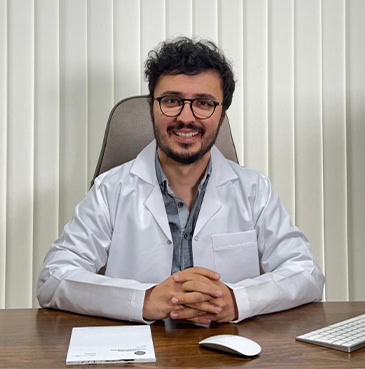
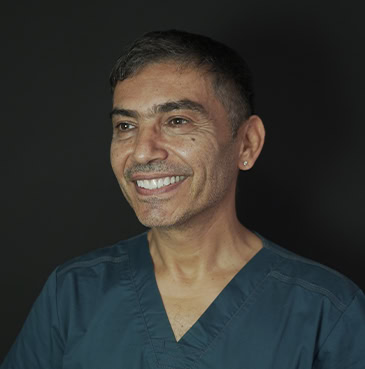
Meet the team

For Men

True recurrence of gynecomastia is rare because glandular tissue removed during surgery does not regenerate. When the procedure is complete and hormonal factors are stable, results are usually long-lasting.
In some cases, an apparent return can occur due to weight gain, hormonal changes, or anabolic steroid use, which may cause fat accumulation or stimulate remaining tissue. Maintaining a healthy lifestyle and avoiding hormone-altering substances helps preserve results.