Rhinoplasty in Albania | Hygeia Hospital

What is Rhinoplasty?
Common aesthetic improvements include: Removing dorsal humps for smoother profiles, refining bulbous or wide tips for better definition, narrowing the nasal bridge through controlled osteotomies, straightening crooked noses from injury or asymmetry, reducing overall nasal size while maintaining harmony, improving the nose-lip angle, reshaping the nasal bridge contour, and correcting nostril width through alar base reduction.
Functional corrections address: Many patients with chronic nasal congestion, breathing difficulties, snoring, or reduced exercise tolerance have structural abnormalities—most commonly a deviated septum blocking airflow. Septorhinoplasty in Albania simultaneously reshapes external appearance while straightening the septum and addressing turbinate enlargement, delivering improved appearance and breathing through single surgery and recovery.
The best nose job results look completely natural, as if you were born with your refined nose. Achieving this requires understanding facial proportions, respecting ethnic characteristics, and possessing technical skill to execute subtle, precise changes. Millimeter-level differences determine whether results appear refined or overdone. This is why choosing an experienced rhinoplasty surgeon in Albania matters enormously—the procedure ranks among the most technically demanding in all of plastic surgery.
Before and After Rhinoplasty in Albania
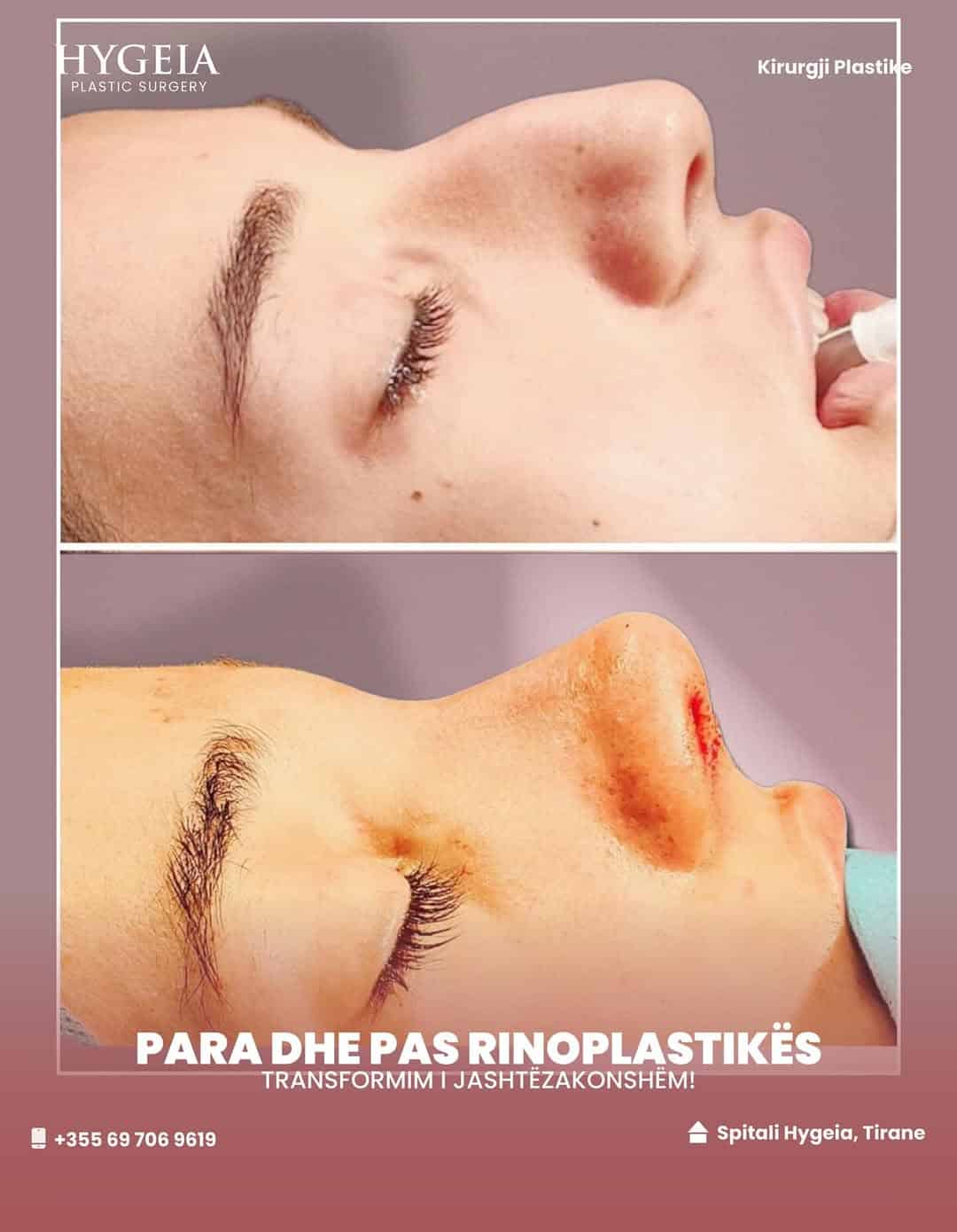

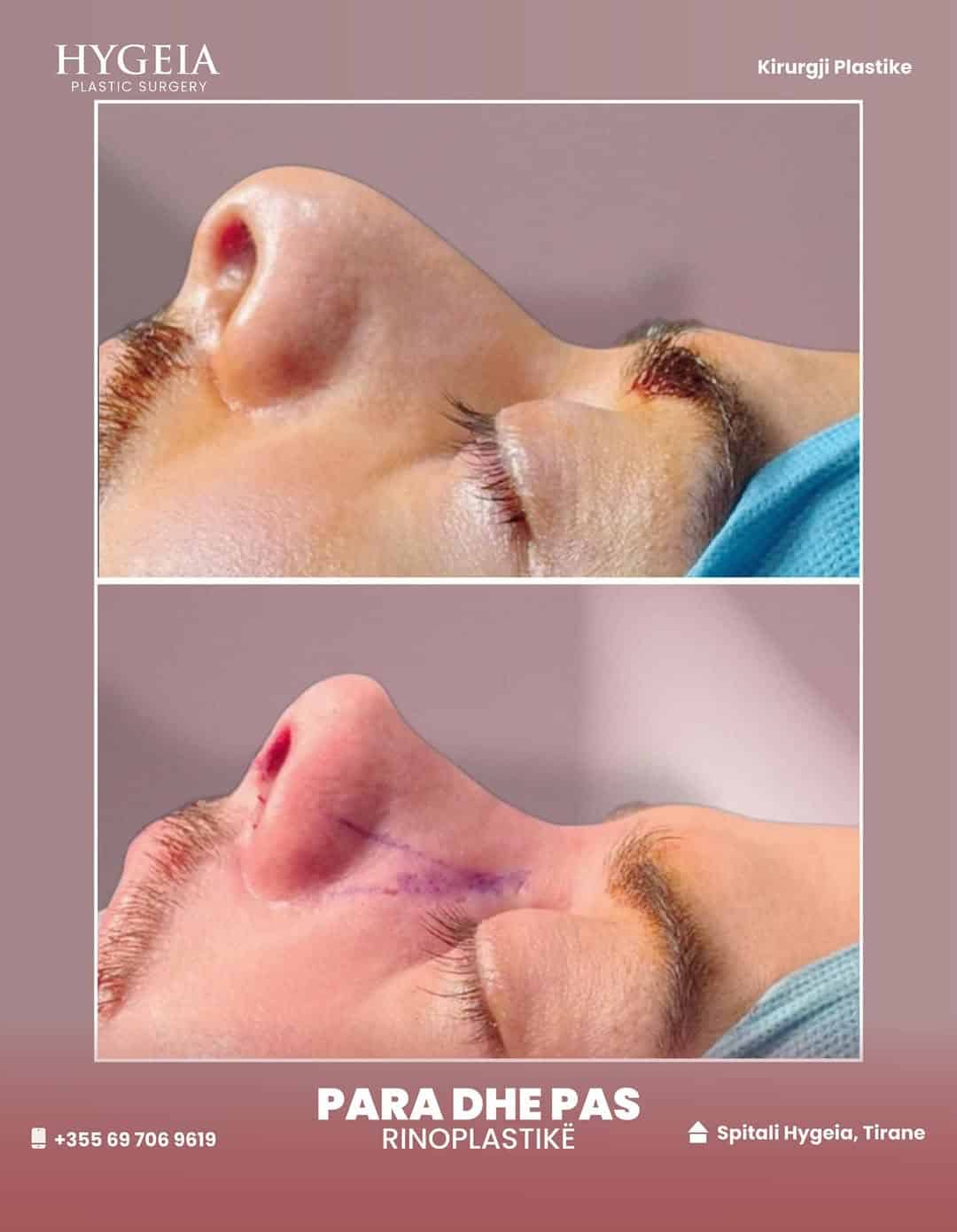


Reviewing before-and-after photos during consultation helps you understand realistic results achievable for your specific anatomy and assess whether our surgical aesthetic aligns with your preferences. All photos are of actual Hygeia patients who provided written consent for educational use.
What are the Rhinoplasty Options?
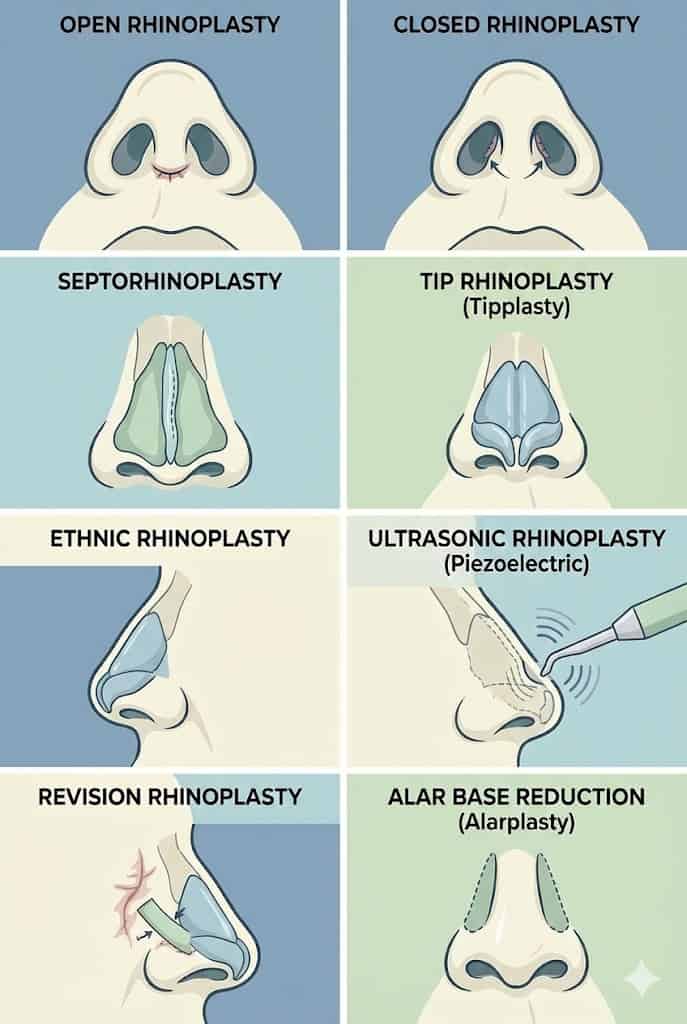
Open Rhinoplasty: An incision across the columella allows direct visualization of nasal structures for complex modifications, leaving a small scar that typically becomes nearly invisible within 3-6 months.
Closed Rhinoplasty: All modifications are made through internal nostril incisions without external scarring, suitable for less extensive refinements with slightly faster recovery.
Septorhinoplasty: Combines cosmetic nose reshaping with functional correction of a deviated septum to address both aesthetic and breathing concerns in a single surgery.
Tip Rhinoplasty (Tipplasty): Focuses exclusively on refining nasal tip cartilages to address issues like bulbous appearance, asymmetry, or lack of definition without altering the bridge.
Ethnic Rhinoplasty: Refines nasal appearance while preserving ethnic identity and characteristic features rather than imposing Western aesthetic ideals.
Ultrasonic Rhinoplasty (Piezoelectric): Uses ultrasonic vibrations to precisely cut bone while sparing soft tissue, resulting in less trauma, reduced swelling, and faster recovery for specific bone work.
Revision Rhinoplasty: Corrects unsatisfactory results or complications from previous nose surgery using advanced reconstructive techniques to address altered anatomy and scar tissue.
Alar Base Reduction (Alarplasty): Reduces nostril width and flare through small incisions at the nostril base, performed alone or combined with other rhinoplasty techniques.

The Best Candidates For Rhinoplasty…
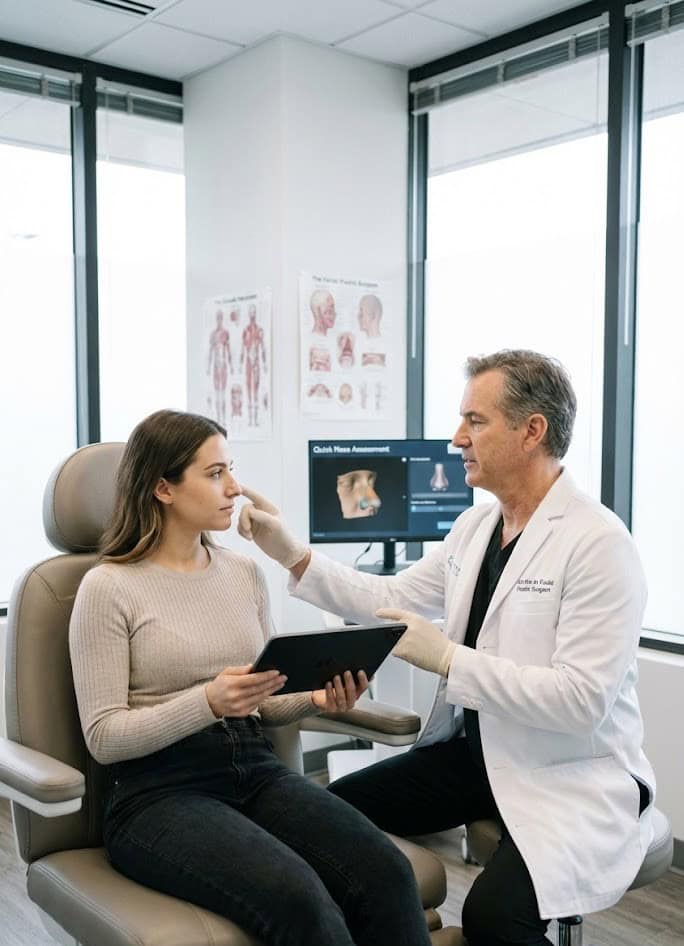
Complete a Quick Nose Assessment
Not sure which rhinoplasty procedure suits your needs? Our quick online nose assessment helps identify your specific concerns and surgical options. Answer 8 simple questions about your nasal appearance and breathing function, and receive personalized preliminary recommendations from our surgical team.
The assessment takes 3 minutes and covers dorsal hump presence, tip shape and projection, nostril width, breathing difficulties, previous nasal surgery, ethnic considerations, and aesthetic goals. Upon completion, you’ll receive a detailed email outlining which techniques might benefit you, approximate Albania rhinoplasty cost for your case, and an invitation to schedule a video consultation with one of our board-certified surgeons.
This free assessment helps you understand rhinoplasty options before consultation, making your eventual surgeon meeting more focused and productive.
Rhinoplasty At a Glance
| Surgery Time | 1.5 to 3 hours |
| Anesthesia | General anesthetic |
| Hospital Stay | Day case or 1 night |
| Albania Stay | 7-10 days recommended |
| Shower | After 1 day |
| Reasonable Mobility | After 2 days |
| Time Off Work | 7-14 days (desk work) |
| Exercise | Light after 2 weeks, full after 6 weeks |
| Sexual Activity | 4 weeks |
| Sleeping Position | Elevated for 4 weeks |
| Driving | After 2 weeks |
| Full Recovery | 6-8 weeks for major activities |
| Final Results | 12 months for complete refinement |
| Results Longevity | Permanent |
The Cost of Rhinoplasty in Albania
Albania rhinoplasty cost at Hygeia Plastic Surgery ranges €2,000-4,500 depending on case complexity and surgical technique required. This represents 50-65% savings compared to Western Europe while maintaining identical surgical expertise and European safety standards.
Rhinoplasty pricing in Albania:
- Primary cosmetic rhinoplasty: €2,000-3,800
- Septorhinoplasty (aesthetic + functional): €3,200-4,200
- Revision rhinoplasty: €3,800-5,500
- Ultrasonic rhinoplasty: Add €400-800
- Tip rhinoplasty only: €2,500-3,200
- Alar base reduction: €800-1,200 (standalone)
Compare Western Europe nose job costs:
- UK: €6,000-10,000 (53-55% more expensive)
- Germany: €6,500-11,000 (57-59% more expensive)
- Italy: €5,500-9,000 (49-50% more expensive)
- Switzerland: €7,000-12,000 (60-62% more expensive)
Even accounting for international travel—flights €100-400 return from most European cities, accommodation €30-80 per night for 7-10 days—your total investment remains substantially lower while receiving the same level of surgical expertise and hospital safety standards available in Western Europe.
What’s included in our transparent pricing: Surgeon’s professional fee, anesthesiologist’s fee, modern hospital facility costs, all surgical supplies and instruments, medications during hospital stay, external nasal splint and internal support, post-operative appointments during your Albania stay, detailed aftercare instructions for healing at home, and 24-hour emergency contact support.
No hidden fees surprise you later. We provide itemized quotes during consultation so you understand exactly what’s included. Additional costs to budget include accommodation (€250-700 for typical 7-10 day stays), flights (€100-400 return depending on departure city), and local transportation and meals which remain significantly more affordable than Western Europe.
Medical tourism Albania rhinoplasty packages: Our international patient coordinators can arrange complete packages including pre-negotiated hotel rates near our hospital, airport transfers, local transportation for appointments, and assistance with any logistical needs during your stay. These comprehensive packages simplify planning and ensure smooth, stress-free surgical journeys.
Finance options for cosmetic surgery Albania: Payment plans are available through medical finance providers, allowing you to spread rhinoplasty costs over 12-48 months rather than paying upfront. Contact our coordinators for specific financing options, detailed personalized quotes based on your individual case complexity, and assistance with any payment arrangements.
What are the Benefits of Rhinoplasty?
Improved Facial Harmony
The nose anchors facial appearance. When disproportionately large, prominently humped, or noticeably crooked, it dominates features and draws attention away from eyes and smile. Refining nasal size creates balance, allowing all facial features to receive appropriate attention and work together harmoniously.
Enhanced Self-Confidence
Many rhinoplasty patients report nasal concerns affected confidence in social situations, reluctance about photography, self-consciousness during intimate moments, and hyperawareness during conversations. Once the nose no longer preoccupies thoughts, patients engage authentically without constant concern about appearance from different angles or in various lighting.
Better Breathing and Sleep Quality
Chronic nasal obstruction forces mouth breathing, disrupts sleep, reduces exercise capacity, and affects energy levels. Septorhinoplasty opens airways, allowing normal nasal breathing that improves sleep quality, athletic performance, and daytime alertness while eliminating frustrating chronic congestion.
Correction of Injury or Congenital Defects
Nasal fractures from sports injuries or accidents often heal with persistent deformity—crooked alignment, depressed bridges, breathing problems. Reconstructive rhinoplasty restores both aesthetic appearance and functional capacity that injury or birth defects compromised.
Permanent, Lasting Results
Once healing completes after 12 months, your refined nose remains stable throughout life. Some subtle age-related changes occur over decades, but core improvements persist permanently barring significant trauma. This makes rhinoplasty exceptionally valuable compared to temporary treatments requiring maintenance or repetition.
Natural-Looking Enhancement
Modern surgical philosophy emphasizes refinement over dramatic transformation. The best rhinoplasty surgeons in Albania create subtle improvements enhancing inherent beauty rather than obvious “surgical” appearance. The goal is prompting “you look wonderful” reactions rather than “you’ve obviously had surgery.” This naturalness requires understanding individual facial proportions, respecting ethnic characteristics, and possessing technical skill to execute millimeter-level changes.
Why Do People Have Rhinoplasty?
Dorsal hump removal addresses prominent bridge bumps created by excess bone and cartilage, creating smoother, straighter profiles while maintaining appropriate nasal height for facial harmony.
Bulbous tip refinement reshapes rounded, wide, or ball-shaped nasal tips through careful cartilage modification. Tip work ranks among the most technically demanding aspects as tip cartilages are complex three-dimensional structures requiring precise reshaping.
Nasal width reduction narrows noses appearing too wide through osteotomies—controlled fractures repositioning nasal bones inward—and alar base reduction addressing wide nostrils while maintaining natural contours.
Straightening crooked noses corrects deviation from facial midline caused by developmental asymmetry or previous injury. Straightening requires working on multiple levels—aligning bones, straightening septum, repositioning cartilages—representing one of rhinoplasty’s most challenging goals.
Improving breathing function motivates many patients experiencing chronic congestion, mouth breathing during sleep, snoring problems, or reduced exercise tolerance. Functional rhinoplasty corrects deviated septums, reduces enlarged turbinates, and strengthens collapsed valves.
Ethnic feature refinement allows patients from various ethnic backgrounds to seek subtle improvements while maintaining cultural identity—reducing excessive width in Asian noses while preserving ethnic characteristics, refining Middle Eastern tips while maintaining identity, or addressing concerns in African heritage noses without eliminating defining features.
Correcting previous unsatisfactory surgery brings patients for revision rhinoplasty when initial surgery elsewhere produced disappointing results including persistent aesthetic concerns, breathing problems from over-aggressive cartilage removal, structural collapse, obvious asymmetry, or unnatural appearance.
Who is Suitable for Rhinoplasty Surgery?
Completed facial growth is essential before rhinoplasty. Girls typically complete facial growth by age 16-17, boys by 17-18. Operating before growth concludes risks poor outcomes as the face continues developing. Emotional maturity also matters—patients should pursue rhinoplasty for themselves, not to please others.
Good general health without conditions significantly impairing healing allows safe surgery and optimal recovery. Most healthy adults regardless of age can safely undergo rhinoplasty. Uncontrolled diabetes, significant cardiovascular disease, bleeding disorders, or immune problems require careful evaluation.
Non-smoker status is critical for rhinoplasty success. Smoking severely impairs healing by constricting blood vessels and reducing oxygen delivery. This is particularly problematic in rhinoplasty where blood supply to nasal skin is temporarily compromised. Stop all tobacco and nicotine products at least 4 weeks before and 4 weeks after surgery. Failure to quit dramatically increases risks of tissue death, infection, and poor outcomes.
Realistic expectations distinguish successful from disappointed patients. Rhinoplasty improves your nose—it doesn’t transform you into someone else or guarantee life changes. The best candidates understand that rhinoplasty refines and harmonizes rather than creates radical transformation. Computer imaging during consultation helps visualize realistic achievable outcomes.
Specific concerns you can clearly articulate allow focused surgical planning. Vague general dissatisfaction makes planning difficult, while specific concerns—”I want the hump removed,” “my tip is too bulbous,” “my nostrils are too wide,” “I can’t breathe properly”—enable precise treatment. Bringing reference photos showing noses you find attractive helps communicate aesthetic goals.
Stable weight ensures rhinoplasty results remain harmonious long-term. Significant weight fluctuations subtly affect facial proportions. While rhinoplasty results remain stable, dramatic weight changes can alter the overall facial context in which your nose exists.
Commitment to aftercare contributes significantly to optimal healing. Rhinoplasty demands specific restrictions—sleeping elevated, avoiding activities, attending follow-ups, protecting the nose from trauma. Patients who follow detailed instructions achieve better, faster healing with fewer complications.
A State-of-the-Art Hospital Facility
Hygeia Plastic Surgery operates as a fully equipped hospital facility in central Tirana, not a basic clinic. Our modern operating theatres feature advanced surgical equipment including piezoelectric rhinoplasty technology, high-definition surgical cameras, and comprehensive monitoring systems. Experienced anesthesia teams ensure safety and comfort throughout your procedure.
European standards and accreditation: We maintain European healthcare standards through regular facility inspections, continuous staff training, and adherence to international surgical safety protocols. All medical devices are CE-marked and regularly serviced. Our sterilization procedures follow European guidelines ensuring infection prevention.
Comprehensive support services: Our hospital includes dedicated recovery areas with experienced nursing staff providing 24-hour care when needed, private patient rooms for overnight stays, modern diagnostic equipment for any necessary testing, and on-site pharmacy providing prescribed medications.
Central Tirana location: Located in accessible central Tirana, we’re near quality hotels offering medical tourism rates, restaurants serving diverse cuisines, and cultural attractions. Many patients explore Albania’s stunning Adriatic coastline, UNESCO World Heritage sites like Butrint and Berat, and vibrant capital city during recovery. Our coordinators provide recommendations for accommodations, dining, and local activities suited to recovery limitations.
Hospital status advantages: Operating as a hospital rather than a clinic provides crucial advantages. We can handle any situation that might arise during or after surgery, access to full medical resources if needed, ability to provide overnight observation for international patients, and comprehensive emergency protocols ensuring patient safety.
What are the Risks of Rhinoplasty?
Bleeding during or immediately after surgery is typically minor and easily controlled. Some oozing from nostrils for 1-2 days is normal. Significant bleeding requiring intervention is rare.
Infection is uncommon due to excellent nasal blood supply and prophylactic antibiotics. If infection occurs, antibiotics typically resolve it quickly. Severe infections requiring additional intervention are rare.
Poor wound healing can affect incisions or internal tissues, particularly in smokers or diabetics. This might manifest as delayed healing, wound separation, or tissue necrosis. Following pre-operative smoking cessation guidelines minimizes this risk dramatically.
Scarring concerns mainly apply to open rhinoplasty’s small columellar incision. With proper technique and healing, this scar typically fades to near-invisibility. Internal scars from closed rhinoplasty remain hidden. Hypertrophic or keloid scars are rare but possible.
Nasal obstruction can paradoxically result from rhinoplasty if excessive cartilage removal weakens internal support structures. This might require revision surgery to restore proper airflow. Experienced surgeons minimize this risk by preserving adequate structural support during aesthetic reshaping.
Asymmetry may persist or develop despite surgical efforts. Perfect symmetry is impossible—no one’s face is perfectly symmetric naturally. Surgeons aim for improved symmetry and balance rather than absolute perfection. Minor asymmetries are common and usually not noticeable except upon close scrutiny.
Unsatisfactory aesthetic outcome represents the most distressing complication when results don’t meet expectations. This might stem from poor communication during planning, technical execution issues, unexpected healing patterns, or unrealistic initial expectations. Revision surgery can often improve unsatisfactory outcomes, though additional surgery brings its own risks. Choosing an experienced surgeon, communicating clearly about goals, and maintaining realistic expectations minimize this risk.
Numbness or altered sensation affecting the nasal tip or upper lip is common temporarily and usually resolves within weeks to months as nerves regenerate. Permanent sensation changes are uncommon but possible, typically manifesting as reduced sensation rather than complete numbness.
Persistent swelling usually resolves over 12 months, though occasionally prolonged swelling persists longer, particularly with thick skin. True persistent swelling beyond 18 months is uncommon and might require treatment with steroid injections or rarely revision surgery.Need for revision surgery occurs in a percentage of cases when outcomes don’t meet goals or complications arise. Minor revisions might address small contour irregularities, tip asymmetry, or residual aesthetic concerns. Major revisions address significant functional or aesthetic problems. Experienced primary surgeons have lower revision rates than less experienced surgeons.

Differences in Male and Female Rhinoplasty
Male and female rhinoplasty follow similar surgical principles but aim for gender-appropriate aesthetic outcomes reflecting natural anatomical differences and cultural beauty standards.
Male rhinoplasty characteristics: Stronger, straighter profiles with broader bridges suit masculine facial proportions. Less nasal tip rotation maintains a straighter nose-lip angle rather than upturned appearance. More defined, angular tip structure rather than delicate refinement. Maintained dorsal height appropriate for masculine features. Over-refined, overly rotated, or excessively narrowed male noses look feminized and unnatural, drawing attention rather than creating harmony.
Female rhinoplasty characteristics: Softer, more delicate contours through gentle dorsal curves rather than perfectly straight lines. Increased tip rotation allows slight upturn for youthful appearance. Refined, narrower tip with subtle definition. Overall softer lines complementing feminine facial features. These adjustments remain subtle—overly rotated or dramatically refined noses appear surgical rather than natural.
Anatomical considerations: Men typically have thicker nasal skin, denser soft tissue coverage, stronger nasal bones and cartilages, and potentially more challenging tip work due to cartilage characteristics. Women often have thinner skin showing refinement more clearly, lighter structural framework, and different healing patterns. These anatomical variations influence surgical technique, though experienced surgeons adapt approaches to each patient’s individual anatomy regardless of gender.
The key principle for both genders is creating results harmonizing with unique facial features, respecting ethnic background, and achieving gender-appropriate refinement appearing natural rather than obviously surgical. Computer imaging during consultation helps visualize gender-appropriate outcomes and ensures alignment between patient expectations and surgical planning.
What is Ultrasonic Rhinoplasty?
Ultrasonic rhinoplasty uses piezoelectric technology—high-frequency ultrasonic vibrations that precisely cut bone while leaving soft tissues completely unharmed. This represents one of the most significant technical advances in rhinoplasty surgery over the past decade.
Traditional instruments vs ultrasonic technology: Traditional rhinoplasty uses osteotomes (surgical chisels) and rasps to reshape nasal bones. While effective in skilled hands, these instruments require significant force, can cause unpredictable fracture patterns extending beyond intended areas, and may traumatize surrounding soft tissue creating more swelling and bruising. Piezoelectric instruments cut bone with microscopic precision while protecting adjacent cartilage, blood vessels, nerves, and skin.
Advantages of ultrasonic rhinoplasty: Reduced trauma to surrounding tissues minimizes collateral damage. Less post-operative swelling and bruising improves early appearance and comfort. Faster recovery allows quicker return to normal activities. More predictable outcomes result from precise bone reshaping under direct control. Better long-term stability as bone healing occurs more favorably without traumatic fracture patterns.
When ultrasonic technology helps most: Dorsal hump removal where precision prevents over-resection and maintains smooth contours. Osteotomies (controlled nasal bone fractures to narrow the nose) performed with exact control and predictable positioning. Any bone work requiring millimeter-level accuracy for optimal aesthetic outcomes. Revision cases where preserving remaining structure is critical.
When traditional instruments remain optimal: Procedures focused primarily on cartilage work like tip rhinoplasty gain less advantage since piezoelectric instruments don’t cut cartilage. Simple cases not requiring bone modification. Surgeries where access limitations make ultrasonic instruments impractical.
At Hygeia Plastic Surgery, we invested in piezoelectric rhinoplasty equipment because we’re committed to offering patients the most advanced techniques available. When ultrasonic technology provides advantages for your specific surgical plan, we utilize it. When traditional instruments remain optimal, we use those. The goal is always selecting the best technique for your individual anatomy and goals rather than applying technology for its own sake.

Best Rhinoplasty Surgeons in Albania
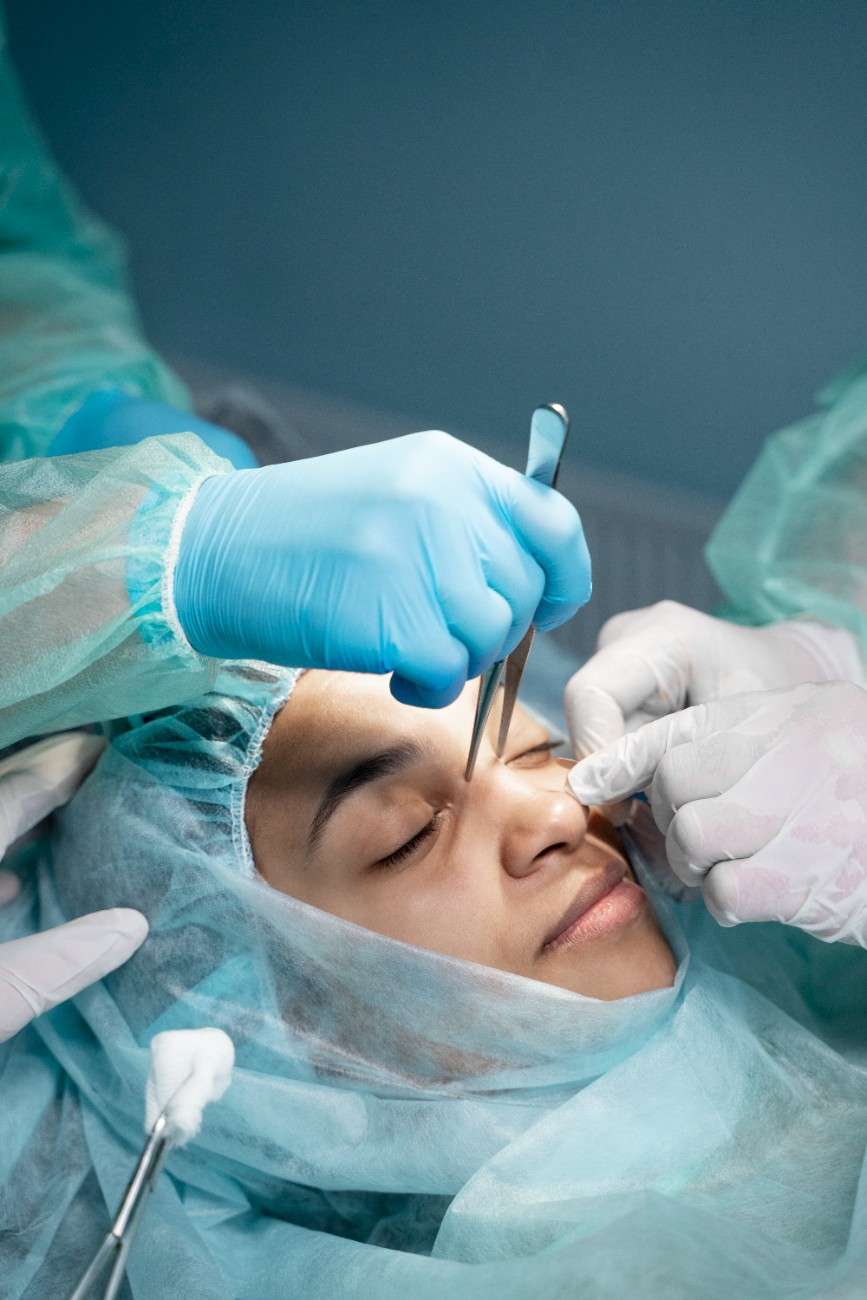
Our rhinoplasty surgeons completed comprehensive plastic surgery training followed by specialized rhinoplasty fellowships at leading European centers. They focus extensively on nasal surgery, performing hundreds of rhinoplasty procedures annually across the full spectrum—primary cosmetic cases, complex functional reconstruction, ethnic rhinoplasty, and challenging revision surgery.
Why surgical experience matters: Rhinoplasty requires understanding three-dimensional nasal anatomy in extraordinary detail, predicting how surgical changes affect both form and function, executing millimeter-level modifications with precision, and achieving results appearing natural rather than surgical. These skills develop through dedicated focus over many years and hundreds of procedures. Our surgeons invested this time and continue refining their craft with each case.
Artistic sensibility: Beyond technical skill, our surgeons bring artistic sensibility crucial for rhinoplasty success. They understand facial proportions, appreciate how the nose relates to surrounding features, respect ethnic characteristics, and recognize that subtle refinement creates more natural, pleasing outcomes than dramatic transformation. This artistic understanding separates good rhinoplasty surgeons from great ones.
Individualized surgical planning: During consultation, our surgeons listen carefully to your concerns, evaluate your facial anatomy, discuss realistic outcomes, and create individualized surgical plans tailored to your specific goals and anatomical starting point.
Review our surgeons’ work: We encourage prospective patients to review extensive before-and-after photo galleries during consultation, showing diverse cases demonstrating various techniques and outcomes. This helps you assess whether our surgical aesthetic aligns with your preferences and understand what rhinoplasty realistically achieves for different anatomical starting points.
What to Expect: Your Rhinoplasty Journey
Initial Consultation
Your rhinoplasty journey begins with comprehensive consultation where your surgeon examines nasal anatomy externally and internally, discusses specific concerns and aesthetic goals, reviews medical history, explains which surgical techniques suit your case, shows before-and-after photos of similar cases, uses computer imaging to visualize potential outcomes, discusses realistic expectations and limitations, answers all questions, and provides detailed cost estimates.
For international patients, initial video consultations allow you to meet our team, discuss your case thoroughly, and receive preliminary recommendations before traveling to Albania. If proceeding, you’ll schedule surgery and plan your Albania visit. Our coordinators assist with flight bookings, accommodation recommendations, airport transfers, and all logistical details.
Pre-operative Preparation
In the weeks before surgery, stop medications increasing bleeding risk (aspirin, ibuprofen, certain supplements). Discontinue all tobacco and nicotine products at least 4 weeks before surgery. Arrange time off work and assistance at home during recovery. Complete any required pre-operative medical testing. Follow specific instructions about eating, drinking, and medications the night before and morning of surgery.
Surgery Day
Surgery day begins with meeting your surgical team and anesthesiologist, who reviews your medical history and anesthesia plan. Your surgeon performs marking and final surgical planning, taking final photos and confirming the surgical approach. You proceed to the operating theatre where you receive general anesthesia. The surgeon performs your rhinoplasty over 1.5-3 hours depending on complexity. After surgery, you recover under nursing observation for several hours before returning to your accommodation with detailed care instructions.
Recovery Timeline
Days 1-2: Rest with head elevated, manage pain with prescribed medication, apply cold compresses to reduce swelling, start gentle walking to promote circulation, and follow detailed care instructions. Most patients describe pressure and congestion rather than severe pain.
Days 3-7: External splint remains in place protecting your nose. Swelling peaks around day 3, then gradually improves. Continue head elevation, limit activities, and protect nose from any trauma. Sleep elevated on back.
Week 1 follow-up: Splint removal appointment where you see your new nasal shape for the first time, though substantial swelling persists making early results appear larger than final outcome. Your surgeon assesses healing, removes any remaining sutures, and provides guidance for the next phase.
Weeks 2-4: Major swelling and any bruising resolve. Most patients return to desk work and feel comfortable socializing. Residual swelling gives slightly thicker appearance than final results. Gentle exercise permitted after week 2.
Weeks 4-8: Significant improvement as swelling continues decreasing. Resume most normal activities including moderate exercise by week 6. Protect nose from sun exposure and trauma.
Months 3-6: Look quite good with major swelling resolved. Subtle refinement continues as residual swelling slowly disappears. Thick-skinned patients show more gradual improvement than thin-skinned patients.
Months 6-12: Final refinement as the last traces of swelling resolve and tissues settle completely. True final result emerges around 12 months post-surgery. Permanent improvements are now stable.
Long-term Follow-up
Scheduled appointments during your Albania stay allow your surgeon to monitor healing, remove splints and sutures, answer questions, and provide guidance. After returning home, you maintain contact through photos and email updates. Most patients don’t require in-person follow-up beyond the first week unless concerns arise, as healing progresses predictably following detailed written instructions provided.
Meet the team

Facial Surgery