Yes. The nose continues to change with age even after rhinoplasty, but these changes are usually gradual and subtle. Importantly, a well-performed rhinoplasty is designed to age naturally with the rest of the face rather than remain static.
Below is a clear, clinically grounded explanation of what changes to expect—and what should not happen.
How the Nose Normally Changes With Age
Regardless of surgery, the nose changes over time due to normal aging processes:
- Loss of skin elasticity causes mild drooping, especially at the tip
- Weakening of cartilage support can lead to tip descent
- Gravity and facial aging affect nasal appearance indirectly
- Soft tissue thinning or thickening may alter definition
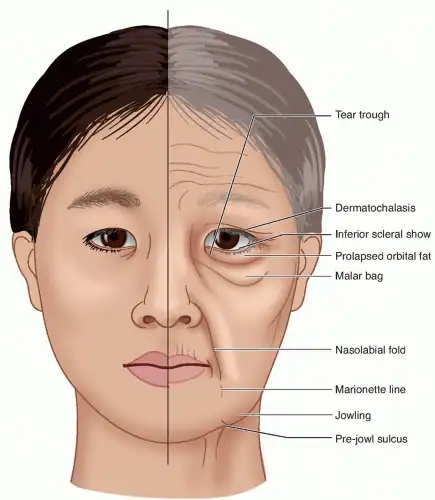
These changes happen to everyone and are not unique to patients who have had rhinoplasty.
What Happens After Rhinoplasty as You Age
After rhinoplasty, aging-related changes still occur—but the surgical structure influences how the nose ages.
Typical outcomes include:
- Slight softening of tip definition over decades
- Mild tip droop in later life (less pronounced if structural support was added)
- Minor changes in skin thickness or texture
What should not happen:
- The nose “collapsing”
- Sudden changes in shape
- Loss of breathing function due to aging alone
If proper cartilage support was created during surgery, the nose generally ages better than an untreated nose.
Factors That Influence Long-Term Changes
Several variables determine how much the nose changes over time:
- Surgical technique
Structural rhinoplasty with cartilage grafts tends to age best. - Skin thickness
Thicker skin may lose definition gradually; thinner skin shows subtle contour changes sooner. - Male vs female anatomy
Heavier cartilage and thicker skin in male patients often provide long-term stability. - Lifestyle factors
Smoking, sun exposure, and significant weight fluctuations can accelerate visible aging. - Revision history
Multiple surgeries can weaken support if not carefully managed.
Will My Rhinoplasty Results Last?
Yes. Rhinoplasty results are considered permanent, even though natural aging continues.
- The shape correction remains
- The structural changes do not reverse
- Aging effects are usually modest and predictable
Most patients remain satisfied with their results decades later, especially when realistic expectations were set preoperatively.
Can Aging Changes Be Prevented?
While aging cannot be stopped, it can be managed:
- Choosing a surgeon who uses structural support techniques
- Protecting skin from sun damage
- Maintaining overall facial skin health
- Avoiding smoking
In rare cases, minor non-surgical treatments (such as fillers or skin-tightening procedures) may be used later in life to address age-related changes.
Bottom Line
The nose does change with age after rhinoplasty—but not in a way that undermines a successful result. A properly performed rhinoplasty is designed to remain stable, functional, and natural-looking as you age.