A tummy tuck scar is usually redder, firmer and more visible during the first few months. It gradually softens and fades over 6–12 months, while the full maturation process may take longer than a year.
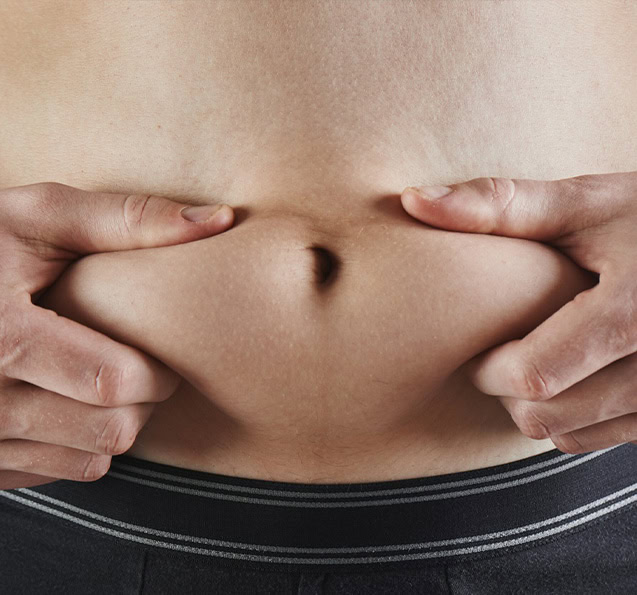
Where Is the Tummy Tuck Scar Located?
During a tummy tuck, the surgeon removes excess skin from the abdomen and, when necessary, tightens weakened muscles in the abdominal wall.
The surgical incision is usually placed across the lower abdomen, above the pubic area. The surgeon aims to position it as low as possible so the scar can be covered by underwear or swimwear.
The length of the scar depends on the amount of skin that needs to be removed and the technique used. In a full tummy tuck, it may extend from one side of the pelvis to the other.
When the belly button is repositioned, a small surgical scar may also remain around it. With a mini tummy tuck, the incision and resulting scar are usually shorter.
What Does the Scar Look Like During the First Week?
During the first few days, the treated area may be red, tender and covered with dressings or protective material.
Swelling, bruising and a feeling of tightness are common at this stage. The abdomen may appear swollen and not yet completely even.
The final appearance of the scar should not be judged during the first few weeks. The tissues have only just begun to heal and will continue to change.
The patient should carefully follow all instructions regarding cleaning, dressings, body position and the use of a compression garment.
How Does the Scar Heal After One Month?
During the first month, the surgical wound usually closes and new tissue begins to form.
The scar may look pink or red and feel slightly firm or raised. This is a normal part of the healing process.
There may also be numbness, a pulling sensation or changes in sensitivity along the lower abdomen.
These sensations may continue for several weeks or months and usually improve gradually.
How Does the Scar Change After Two to Three Months?
During the second and third months, the scar may temporarily become redder, darker or thicker.
This does not necessarily mean that healing is progressing poorly. At this stage, the body is producing and reorganising collagen.
For this reason, the scar tissue may feel firmer before it begins to soften.
Once the wound has fully closed, the surgeon may recommend silicone products or controlled scar massage. These methods should not be started without the approval of the surgical team.

What Does the Scar Look Like After Six Months?
After around six months, the scar usually begins to become flatter and softer.
Its red or purple colour may gradually fade and become closer to the natural skin tone.
The speed of this change is not the same for every patient. Genetics, skin tone, tension on the wound and the individual healing response all affect the final result.
A scar that is still pink after six months does not automatically indicate a problem. The maturation process continues beyond this point.
What Does a Tummy Tuck Scar Look Like After One Year?
After 12 months, the scar is usually lighter, flatter and less firm.
For many patients, this is the point at which its appearance can be assessed more realistically.
A tummy tuck scar does not disappear completely, but it can become significantly less noticeable and can usually be hidden easily beneath clothing.
In some cases, the maturation process continues for 18 months or longer.
What Affects Scar Healing?
The surgical technique and the way the incision is closed influence the final appearance of the scar.
Tension placed on the treated area can also make the surgical line wider or more visible.
Genetics also play an important role. Some people form thin, flat scars, while others are more prone to hypertrophic scars or keloids.
Smoking can reduce blood flow to the tissues and slow down healing.
Infection, wound separation, fluid accumulation or returning to physical activity too early may also affect the final appearance of the scar.
How Should You Care for the Scar After a Tummy Tuck?
During the initial healing stage, the surgeon’s instructions for cleaning and protecting the surgical wound should be followed carefully.
Creams, gels or silicone products should be used only after the incision has fully closed.
Silicone sheets and gels may help soften and flatten the scar. The surgeon will determine how long they should be used.
Massage may help soften the scar tissue and improve its mobility, but it should not be started too early or performed forcefully.
The area should be protected from the sun for at least 12 months. Direct exposure can darken the scar and make the colour change more persistent.

When Is the Scar Not Healing Normally?
Mild redness, firmness or itching can be normal during the first few months.
However, you should contact your surgeon if the wound opens, releases unpleasant-smelling fluid, continues to bleed or is accompanied by increasing pain.
Spreading redness, fever, sudden swelling or changes in skin colour also require medical assessment.
A soft swelling close to the scar may be related to a collection of fluid known as a seroma.
What Is a Hypertrophic Scar?
A hypertrophic scar is thicker, more raised and redder than usual, but it remains within the boundaries of the surgical incision.
It may develop when the body produces too much tissue during the healing process.
In some cases, it improves gradually, while in others treatment with silicone, injections or laser therapy may be needed.
A keloid is different because it may grow beyond the original boundaries of the surgical wound.
Can a Wide or Thick Scar Be Improved?
Yes. Treatment depends on the type, size and stage of scar maturation.
Silicone products, injections, laser treatment, microneedling or other dermatological treatments may be used.
In selected cases, surgical scar revision may be considered. This is not usually performed immediately, because the scar tissue should be allowed to mature fully first.
The surgeon should determine whether the concern relates to the thickness, colour, width or position of the scar.
When Can You Resume Physical Activity?
The return to physical activity should be gradual.
During the first few weeks, heavy lifting, intense exercise and movements that place tension on the abdomen should be avoided.
Returning to activity too early can increase tension on the incision and affect how the scar heals.
Light walking is usually encouraged after surgery, but abdominal exercises and more demanding activities should be resumed only after the surgeon gives permission.
Do Changes in Weight Affect the Scar?
Significant changes in weight can place tension on the skin and treated tissues.
Considerable weight gain may stretch the area, while major weight loss can create loose skin again.
For this reason, a tummy tuck is generally recommended when the patient has reached a stable weight.
Maintaining a stable weight helps preserve both the appearance of the scar and the overall surgical result.
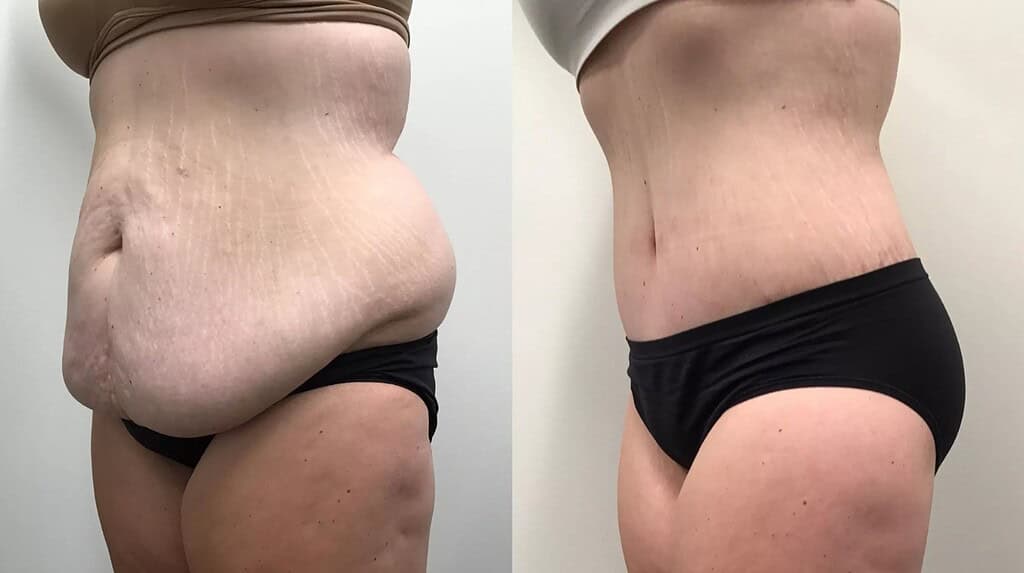
Tummy Tuck Scar Healing at Hygeia Plastic Surgery
At Hygeia Plastic Surgery, the position and length of the incision are planned according to the patient’s anatomy and the amount of excess skin.
Before surgery, the surgeon explains where the incision will be placed and how the scar is expected to change over the following months.
After the procedure, the patient receives instructions regarding cleaning, the compression garment, physical activity and follow-up appointments.
Follow-up after a tummy tuck helps the team assess scar healing and identify any potential problem at an early stage.
Frequently Asked Questions
Is It Normal for the Scar to Itch?
Mild itching may occur as new tissue forms. If it is accompanied by severe redness, irritation or worsening symptoms, it should be assessed by the surgeon.
Can I Apply Moisturiser to the Scar?
Yes, but only after the wound has fully closed and the surgeon has given permission. Products should not be applied to areas that are open or leaking fluid.
Can I Get a Tattoo Over a Tummy Tuck Scar?
You should wait until the tissue has fully matured and stabilised. The appropriate timing should be confirmed by the surgeon.
Can Laser Treatment Be Used to Fade the Scar?
Yes. Certain types of laser treatment may help improve redness, thickness or texture. The specialist will determine the appropriate type and timing of treatment.
Can an Old Caesarean Section Scar Be Removed?
In some cases, a previous caesarean section scar may be included in the section of skin removed during a tummy tuck. This depends on its position and the surgical plan.
Is It Normal for the Area Around the Scar to Feel Numb?
Yes. Numbness and changes in sensitivity are common after a tummy tuck. Sensation may improve gradually over several months, although a small area may remain altered for a longer period.