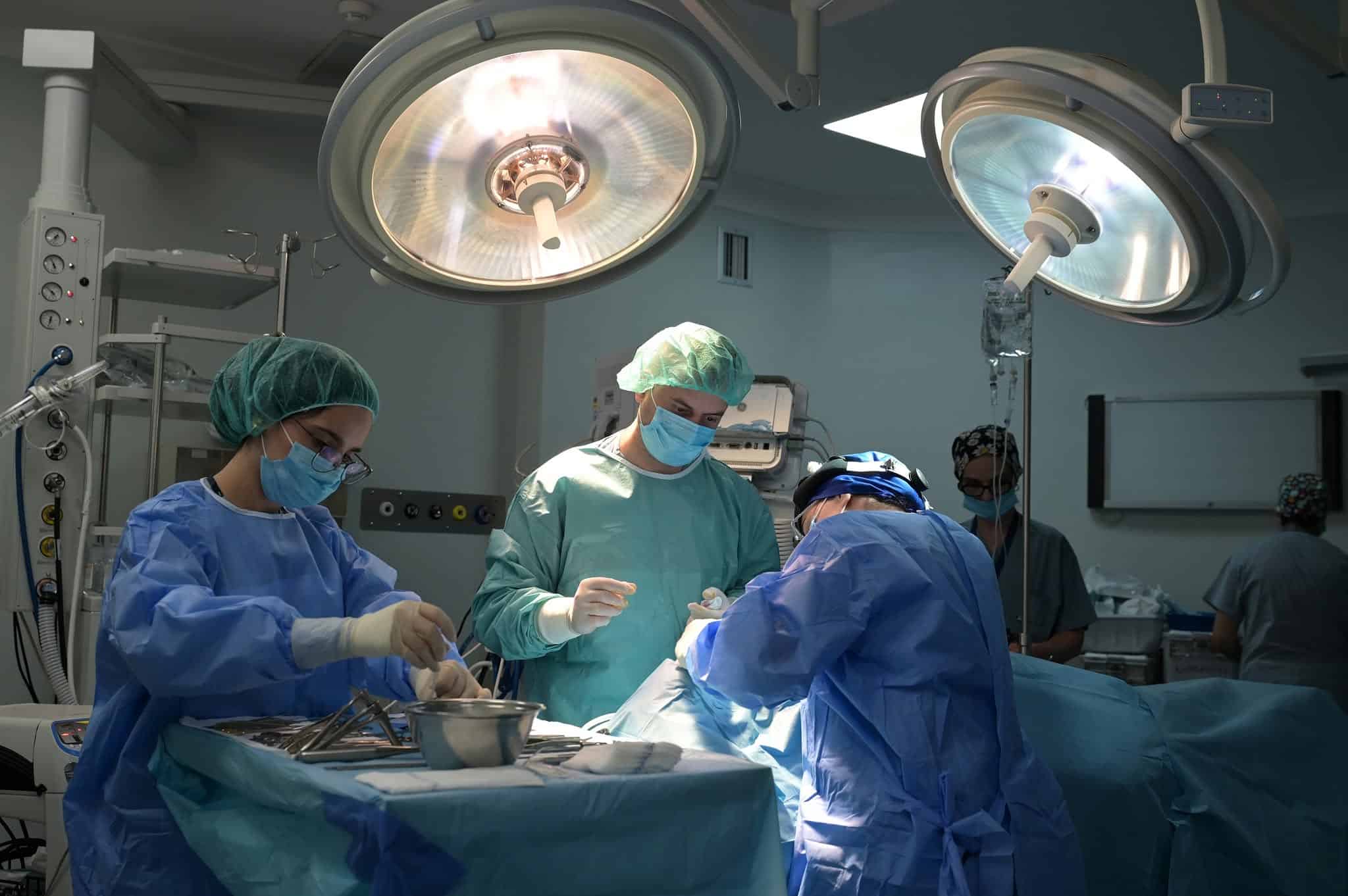
When choosing a plastic surgery clinic in Albania, hospital support matters because care includes a health assessment, anaesthesia, monitoring, and recovery after surgery. A qualified team and an appropriate facility help organise these stages around your needs. At Hygeia, plastic surgery takes place within a modern hospital, with medical support available 24/7.
The decision to undergo cosmetic surgery is personal. You may be considering rhinoplasty, breast surgery, abdominoplasty, or another procedure related to how you feel about your appearance. Alongside the result you want, it is valuable to understand how you will be cared for throughout the process.
Before-and-after photographs help you see examples of results. The consultation and information about the facility where surgery takes place help you assess the experience ahead: who examines you, who administers anaesthesia, and how care is organised after the operation.

What does hospital support mean in plastic surgery?
Hospital support includes the people, facilities, and medical resources involved in surgical treatment. Depending on the procedure, you may need tests, an assessment by an anaesthetist, monitoring after anaesthesia, and a hospital stay.
For you as a patient, this translates into practical questions: are these services organised, how do the teams work together, and what happens if additional care is needed?
A hospital setting can facilitate collaboration between professionals and access to other services when necessary. However, every operation carries risks, and a hospital environment must be accompanied by careful patient selection, qualified professionals, and appropriate protocols.
For this reason, ask specifically what support is planned for your procedure.
The preoperative assessment: the foundation of a suitable plan
Preparation starts with understanding your health. During the initial assessment, the team reviews your medical history, medications, allergies, and previous experiences with surgery or anaesthesia.
Tests and examinations are selected according to the procedure and your individual needs. The aim is to identify issues that should be addressed beforehand or require specific precautions during recovery.
Tell the team if you have diabetes, high blood pressure, heart disease, breathing problems, or a history of blood clots. Mention smoking, nicotine products, and any supplements you use.
Complete information helps the team prepare a plan suited to you. Sometimes, an additional consultation or postponement may be recommended to improve your health before surgery. This is part of careful planning.
The surgeon and anaesthetist have different but connected roles
The surgeon assesses the procedure, your anatomy, and the result that may be achievable. The anaesthetist assesses your anaesthesia needs and the associated care during surgery.
If general anaesthesia or sedation is planned, ask when you will speak with the anaesthetist. This meeting is an opportunity to discuss concerns such as nausea after a previous operation, allergies, or difficulties you have experienced during anaesthesia.
You should receive clear instructions about food, fluids, and medications before the procedure. Do not change your usual treatment yourself.
Assessment and communication between teams help organise care from preparation through to the postoperative stage. Professional perioperative care guidance recognises this collaboration as an important part of the process.
The setting where surgery takes place has practical importance
When looking for a plastic surgery clinic in Albania, ask where the operation will actually be performed. The consultation and surgery may take place in different locations, so this should be clear before booking.
Request information about the operating theatre, monitoring equipment, sterilisation processes, and staff who will be present. Also ask how the team responds if an unexpected need arises.
You do not need to understand every technical term. A clear explanation should help you understand how care works and which resources are available.
At Hygeia, the plastic surgery department is part of the hospital, with operating theatres, anaesthesia teams, and resources for emergency support.
Care in the first few hours after surgery
After the operation, an important stage of recovery begins. If you have received general anaesthesia, the team assesses your waking, breathing, pain, and overall condition.
Monitoring and the length of your stay are tailored to the procedure and your response. Some operations may allow same-day discharge, while others require a longer stay.
Ask in advance where you will recover and who will care for you. This also helps you prepare emotionally because you know what to expect after surgery.
Staff trained in post-anaesthesia care play an important role in maintaining continuity of care.
Before discharge, you should receive instructions about medication, wound care, activity, and the contacts you can use if you have questions.
What does medical care available 24/7 mean at Hygeia?
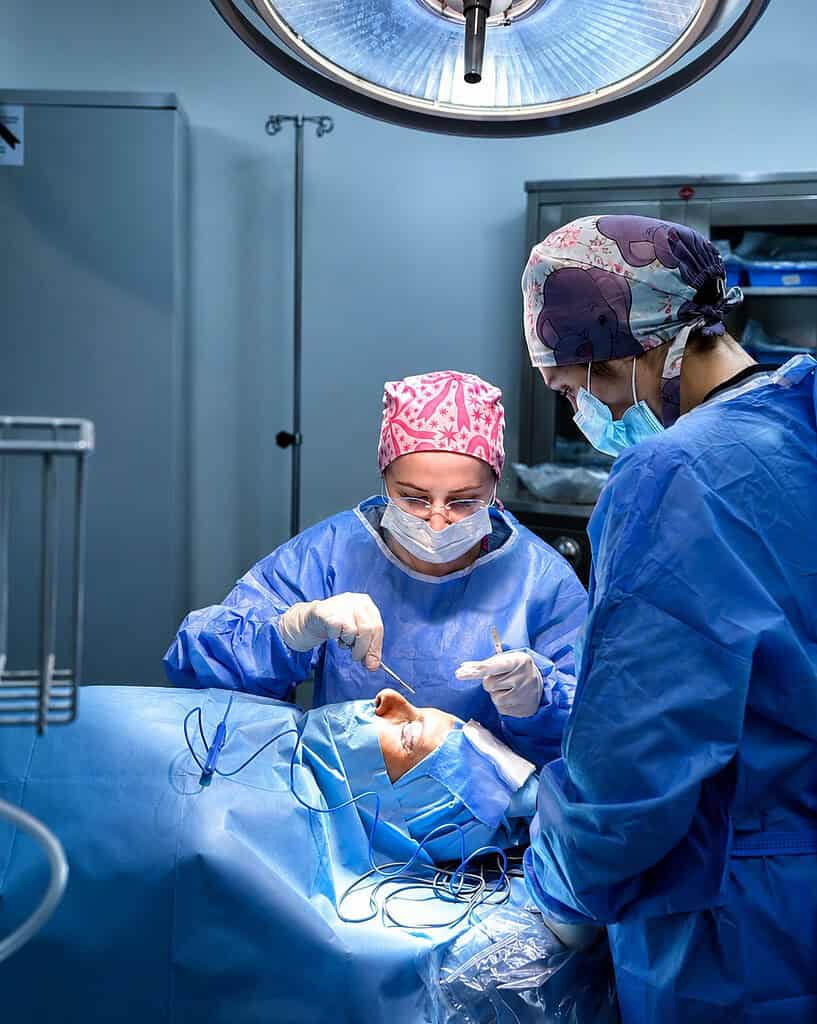
Hygeia provides hospital medical support 24/7, a valuable feature for patients undergoing plastic surgery, particularly those travelling from abroad.
In practice, knowing there is a hospital facility you can turn to for a medical need gives you greater clarity during your stay.
Before the procedure, ask how to access this support: which number to call, where to go, and how the team that treated you will be informed.
The availability of your surgeon or a particular specialist should be clarified separately. Instructions should also distinguish routine questions from concerns that require urgent assessment.
These details make the support understandable and accessible to you as a patient.
An individual plan is just as important as the facilities
Rhinoplasty, liposuction, and abdominoplasty have different requirements. Even two patients undergoing the same procedure may have different preparation and recovery needs.
During your consultation, discuss your goals, the time you have available, and your commitments after treatment. If you are considering combining procedures, ask how this affects the length of surgery and subsequent care.
A suitable plan may involve carrying out procedures in stages. The recommendation should be based on the clinical assessment.
It is also useful to understand the alternatives. Ask what the proposed procedure can achieve, what its limitations are, and what will need to be reassessed during healing.
How can you assess the team and communication?
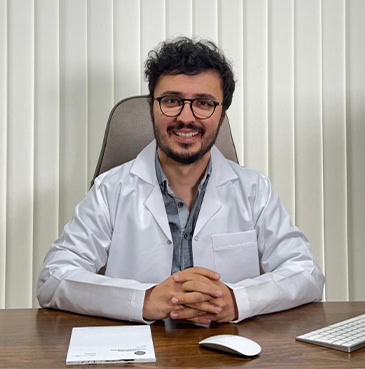
Ask for the surgeon’s name, qualifications, and experience with the procedure you are considering. A consultation with the professional who will perform the operation allows you to discuss expectations and receive answers about your case.
Ask about possible complications, postoperative care, and how concerns or dissatisfaction with the result are addressed. These are reasonable questions when choosing a care provider.
Consider whether the explanations are understandable and whether you have time to think. An informed decision requires time to review the benefits, risks, and alternatives.
If you are travelling from abroad, confirm the language used during the consultation and how you will receive written instructions.
Planning the stay for international patients
Travelling for surgery should allow time for the consultation, preparation, operation, and follow-up appointments. Discuss your return date with the team before finalising your booking.
Ask whether you will need a companion, how transport is organised after discharge, and what practical help you may need at your accommodation. For some procedures, lifting luggage or sitting for long periods may require specific planning.
Hygeia offers support services for international patients, including transport coordination and accommodation recommendations. Confirm the details relevant to your stay.
Keep your schedule light in the days after surgery. Rest and follow-up appointments should have their place in your itinerary so you can recover without rushing.
Follow-up after returning home
Before leaving, request a written plan for continuing your care. It should include follow-up appointments, activity restrictions, and how you will communicate with the team.
Clarify what can be assessed remotely and when an in-person visit is required. If you need care in the country where you live, your treatment documentation will help the professional who follows your recovery.
Also ask how reassessment is arranged if healing does not progress as expected. This should be clear before travelling. Postoperative care and the location of follow-up appointments are important considerations when planning surgery abroad.

Practical questions for your consultation
To help assess a plastic surgery clinic in Albania, save this list:
- Who will perform the operation, and where?
- What health assessment is needed?
- Who will manage the anaesthesia?
- Where will I be monitored after surgery?
- Is an overnight stay planned?
- How does medical support work outside regular hours?
- How long should I stay in Albania?
- How will follow-up continue after I return home?
The answers should relate to your procedure and health. Ask for clarification whenever something remains unclear.
Plan your treatment with information and confidence
Choosing where to undergo plastic surgery involves both your desired result and the care that accompanies it. The team, preoperative assessment, surgical setting, and postoperative follow-up are all parts of the same decision.
Contact Hygeia for a plastic surgery consultation in Albania. Discuss your goals and medical history, understand your treatment plan, and learn how hospital support can complement your care during preparation, surgery, and recovery.