Recovery is the part of plastic surgery that patients tend to underestimate — not because it is unbearable, but because they have not been given an honest picture of what it involves. Clinics that gloss over recovery to avoid deterring bookings do their patients a disservice. The reality is that understanding your recovery before surgery is one of the most important things you can do to protect your result.
This guide covers what recovery actually looks like across the most common plastic surgery procedures, the practical steps that support faster and smoother healing, and — equally important — the mistakes that patients most commonly make that set their recovery back.
Why Recovery Matters More Than Most Patients Expect
The outcome of plastic surgery is not determined entirely in the operating theatre. What happens in the weeks following surgery shapes the final result as significantly as the procedure itself.
Swelling, bruising, and early discomfort are not signs that something has gone wrong — they are normal physiological responses to surgical trauma, and they resolve with time. But how a patient manages that period affects how quickly they resolve, how much discomfort they experience, and ultimately how well the final result develops.
Patients who return to normal activity too soon, skip compression garments, smoke during healing, or fail to attend follow-up appointments do not just slow their recovery — they risk compromising their result permanently. The investment in surgery is significant. The investment in recovery is modest by comparison: time, patience, and following your surgeon’s instructions. It is worth taking seriously.
General Recovery Principles That Apply to Every Procedure
Before looking at procedure-specific timelines, there are principles that apply broadly across plastic surgery recovery — regardless of what you have had done.
Rest, But Not Complete Immobility
Rest is essential in the early days following any surgery. But complete immobility is not recommended and can actually be harmful. Light walking — even brief, gentle movement around the home — promotes circulation and significantly reduces the risk of deep vein thrombosis (DVT), a blood clot in the leg that is one of the most serious post-operative complications.
The goal is to avoid strenuous activity while keeping the body gently moving. Your surgical team will specify when light walking is appropriate — for most procedures, this is within 24 to 48 hours.
Swelling Is Not a Complication — It Is a Process
One of the most common sources of patient anxiety in recovery is swelling. Patients see themselves in the early post-operative period and worry that something has gone wrong, or that the results will look wrong permanently. In almost all cases, this concern is unfounded.
Swelling peaks somewhere between days three and five after most procedures, then begins to resolve. The majority of swelling clears within four to six weeks, but residual swelling — particularly in areas with dense tissue or where liposuction was performed — can persist for three to six months. Final results are not visible until this process is complete.
Understanding this prevents the anxiety of misinterpreting normal healing as a problem, and prevents patients from making premature judgements about their results.
Nutrition Supports Healing
The body’s repair mechanisms require adequate protein, vitamins, and micronutrients to function well. In the weeks surrounding surgery, nutrition matters.
Protein is the primary building block of tissue repair — adequate intake supports wound healing directly. Vitamin C is involved in collagen synthesis. Zinc supports immune function. Adequate hydration supports every aspect of physiological recovery.
Patients should avoid crash diets or caloric restriction in the weeks before and after surgery. This is not the time to lose weight — it is the time to provide the body with what it needs to heal.
Sleep Position
For many procedures — particularly facial surgery, rhinoplasty, and breast augmentation — sleeping position in the early post-operative weeks directly affects swelling and healing.
Elevation of the head and upper body reduces fluid accumulation in tissues overnight and accelerates the resolution of swelling. Most surgeons recommend sleeping with the head elevated on pillows, or in a recliner position, for the first two to four weeks after facial or breast surgery.
After body contouring procedures such as tummy tucks, patients are often advised to sleep in a slightly flexed position — on the back with knees bent — to reduce tension on the abdominal incision.

Recovery by Procedure: Realistic Timelines
Rhinoplasty
Rhinoplasty has one of the longer recovery timelines of the common procedures — not because it is more painful, but because the nose swells significantly and takes considerable time to reveal the final result.
Week 1: A splint is worn on the nose. Bruising around the eyes is common, particularly following osteotomies (bone work). Swelling is significant. Rest is essential. Sleeping with the head elevated is critical. Blowing the nose must be avoided entirely.
Week 2: The splint is typically removed. Bruising begins to fade. Swelling remains substantial, but patients look presentable enough to return to office work for most. Social activities can be gradually resumed, though the nose will still appear swollen and results will not yet be visible.
Weeks 3–6: Bruising is generally resolved. Swelling continues to reduce. The nose begins to take on a more refined appearance. Light exercise can be resumed, but contact sports and anything risking impact to the nose must be avoided for at least six weeks — and ideally three months.
3–6 months: The majority of swelling has resolved and results are largely visible. Patients can now form a realistic impression of their outcome.
12 months: Final result. The tip of the nose, in particular, retains residual swelling for the longest and may continue to refine for up to a full year — or in some cases longer for thicker skin types.
Breast Augmentation
Days 1–3: Tightness and pressure across the chest are the dominant sensations, particularly with submuscular placement. Pain is managed with prescribed medication. A surgical bra is worn from the outset.
Week 1–2: Discomfort reduces significantly. Most patients are mobile and managing light daily tasks. Driving is not permitted while on pain medication or if arm movement is restricted. Desk work is typically possible by days 10 to 14.
Weeks 3–6: Implants begin the process of settling — moving from their initial high position to their final placement as surrounding tissue relaxes. Light cardiovascular exercise (walking) can usually be resumed, but chest-focused exercise and lifting remain off-limits.
Weeks 6–12: Most activity restrictions are lifted. Exercise is resumed gradually. The surgical bra transitions to a supportive non-underwire bra.
3–6 months: Implants have settled to their final position. Residual swelling has resolved. Final results are visible and the outcome can be accurately assessed.
Facelift
Days 1–5: Dressings and drains are in place. Swelling and bruising are significant. The face feels tight. Rest with the head elevated is essential. Most patients feel well enough to be mobile within 48 hours.
Week 1–2: Drains and sutures are removed. Bruising is at its most visible before beginning to fade. Swelling is substantial. This is the period most patients find most challenging psychologically — the face looks operated on, and it requires trust in the process.
Week 3–4: Bruising clears considerably. Swelling reduces. Most patients feel comfortable returning to light activity and, by week four, desk work. Social activities can be resumed with makeup covering residual bruising.
Weeks 6–8: The majority of obvious swelling has resolved. Results are becoming visible. Light exercise is typically approved.
3–6 months: Residual firmness and any areas of numbness continue to resolve. The face looks naturally refreshed — not tightened or operated on. Final results are assessed at this stage.
12 months: Full, final result including complete scar maturation.
Liposuction
Days 1–3: Bruising, swelling, and soreness in the treated areas. Compression garments are worn immediately and continuously. Some fluid drainage from small incision sites in the first 24–48 hours is normal.
Week 1–2: Most patients return to desk work within one week. The compression garment remains essential — it supports healing, reduces swelling, and helps the skin conform to the new contours. Driving is typically possible by day seven to ten.
Weeks 3–6: Bruising resolves. Swelling continues but reduces progressively. Light exercise can be resumed around week three to four, with more vigorous activity from week six.
3–6 months: Final results become visible as residual swelling — which can be persistent, particularly in areas of large-volume liposuction — fully resolves. Skin continues to retract and conform during this period.
Tummy Tuck (Abdominoplasty)
Abdominoplasty has one of the more demanding recovery timelines, reflecting the extent of the surgery.
Days 1–5: Temporary surgical drains remove fluid accumulation. Movement is limited — patients walk in a slightly bent posture initially to reduce tension on the incision. Pain is managed with prescribed medication. A compression garment is worn.
Weeks 1–3: Drains are removed. Posture gradually straightens as healing progresses and tension reduces. Rest is essential. Desk work is generally possible from weeks two to three.
Weeks 3–6: Activity increases progressively. Light walking is actively encouraged. Lifting — anything heavier than a few kilograms — remains off-limits.
Weeks 6–8: Most restrictions are lifted. Exercise resumes gradually, beginning with light cardiovascular activity before progressing to resistance training.
3–6 months: Swelling is largely resolved. The incision scar is maturing and softening. Final contour results are clearly visible.
12 months: Scar has faded and softened significantly. Full final result is established.

The Most Common Mistakes That Slow Recovery
These are the errors that surgical teams see repeatedly — and that patients consistently underestimate the consequences of.
Returning to exercise too soon. Elevated heart rate and blood pressure increase the risk of bleeding and haematoma. Swelling is worsened. Incisions under tension from movement heal less well. The timeframes your surgeon gives you are not conservative suggestions — they are clinical guidelines.
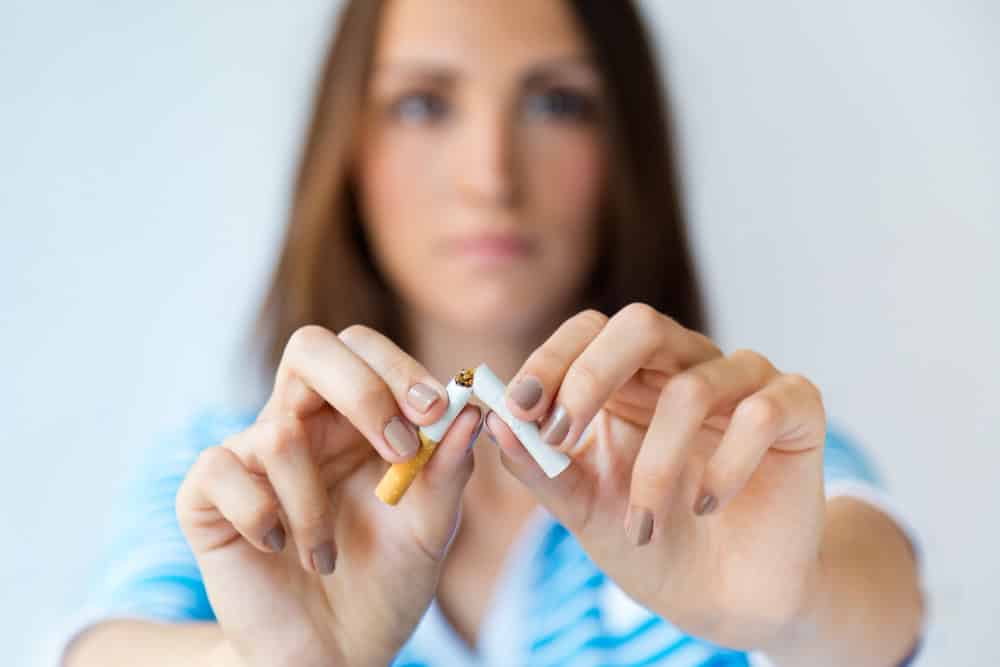
Smoking. Nicotine causes vasoconstriction — it restricts blood flow to healing tissue. This directly impairs wound healing, increases the risk of tissue death (necrosis) at incision sites, and significantly raises complication rates. Patients must stop smoking well before surgery and must not resume during recovery. This is non-negotiable.
Removing compression garments early. Compression garments after liposuction and body contouring procedures are not optional accessories. They support skin retraction, reduce swelling, and minimise the risk of fluid accumulation (seroma). Removing them prematurely affects the final contour result.
Sun exposure to healing scars. UV exposure to immature scars causes permanent pigmentation changes, making scars darker and more visible. Scars must be kept out of the sun — or protected with high-SPF sunscreen — for a minimum of twelve months.
Ignoring follow-up appointments. Post-operative follow-up exists to catch complications early, assess healing, and adjust your care protocol if needed. Skipping appointments — particularly common among medical tourists who have returned home — removes that safety net.
Judging results too early. This is perhaps the most psychologically damaging mistake. Patients who assess their results at two weeks — when swelling is at its most distorting — often experience unnecessary anxiety. Final results require patience. Trust the timeline your surgeon has given you.
Recovery for International Patients: Special Considerations
For patients who have travelled to Albania for surgery, recovery planning requires additional thought.
How long to stay: The minimum recommended stay varies by procedure. For less extensive procedures such as blepharoplasty or liposuction of a single area, patients may be able to travel home after five to seven days. For more extensive procedures — full facelift, abdominoplasty, combined surgeries — a stay of ten to fourteen days is more appropriate, allowing for drain removal, suture removal, and at least one post-operative assessment before travel.
Flying after surgery: Flying increases the risk of DVT. Most surgeons advise avoiding long-haul flights for at least two weeks after major surgery, and recommend compression stockings, adequate hydration, and regular movement during the flight when travel is permitted. Discuss your travel plans explicitly with your surgical team — they will advise based on your specific procedure.
Follow-up at home: Before you travel, ensure you have a clear protocol for what to do if concerns arise after you return home. Hygeia Hospital provides written post-operative instructions and maintains communication with patients following discharge — and can liaise with your GP or local medical team if clinical information needs to be shared.

Final Thoughts
Recovery is not a passive process. It is the period in which the work done in surgery either consolidates into an excellent result — or, if managed poorly, falls short of its potential.
The fundamentals are not complicated: rest appropriately, follow your surgeon’s instructions, wear your compression garment, avoid smoking, protect your scars, and give your body the time it needs. Most patients who struggle in recovery do so not because of their procedure, but because of what they did or did not do in the weeks after it.
At Hygeia Hospital, every patient receives a detailed, written post-operative protocol tailored to their specific procedure before they leave our care. Our team is available to answer questions during recovery, and we take follow-up seriously — because we understand that the result we produce in surgery is only as good as the support we provide afterwards.
To discuss a procedure or arrange a consultation, contact Hygeia Hospital here.
Written by the Plastic Surgery Department at Hygeia Hospital Tirana — Albania’s only TEMOS-certified hospital for international patient care.