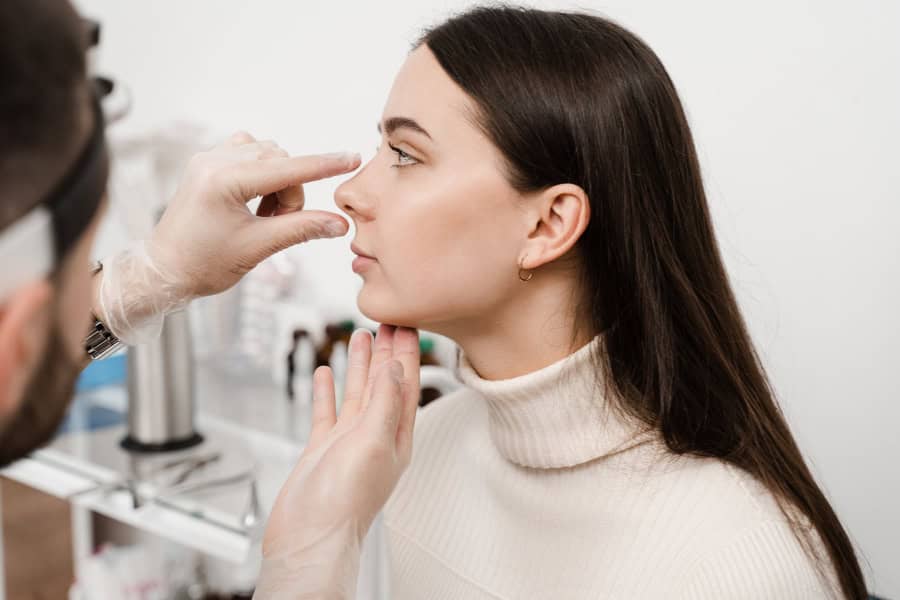
Rhinoplasty can improve the shape and proportions of your nose, with changes tailored to your facial features and anatomy. Real before-and-after photographs at Hygeia help you understand the possibilities of surgery. Your individual result depends on your starting anatomy, the planned changes, and healing, while the final appearance becomes clearer gradually.
If you are considering nose surgery, you may have seen many photographs and developed an idea of the result you want. You might be concerned about a bump in your profile, the nasal tip, the size of your nose, or a change following an injury.
Real cases are a useful starting point for exploring these possibilities. They become even more valuable when you understand what to look for, how much time has passed since surgery, and how the change relates to the patient’s face. In this article, you can view photographs of rhinoplasty at Hygeia and learn how to use them to prepare for your consultation.

What can rhinoplasty change?
Rhinoplasty is a surgical procedure that changes the shape of the nose. Depending on your needs, it may involve changes to the bridge, tip, width, or position of its structures.
Some patients seek a limited change, while others want a more extensive correction. When breathing difficulties are present, nasal function should also be assessed to determine whether additional treatment is needed.
The possibilities depend on the bone, cartilage, skin, and any history of surgery or injury. A suitable result therefore begins with an examination and a discussion of the changes that can be achieved.
Before your consultation, try to describe precisely what concerns you. This gives the surgeon a clearer starting point.
Real rhinoplasty cases at Hygeia: before and after
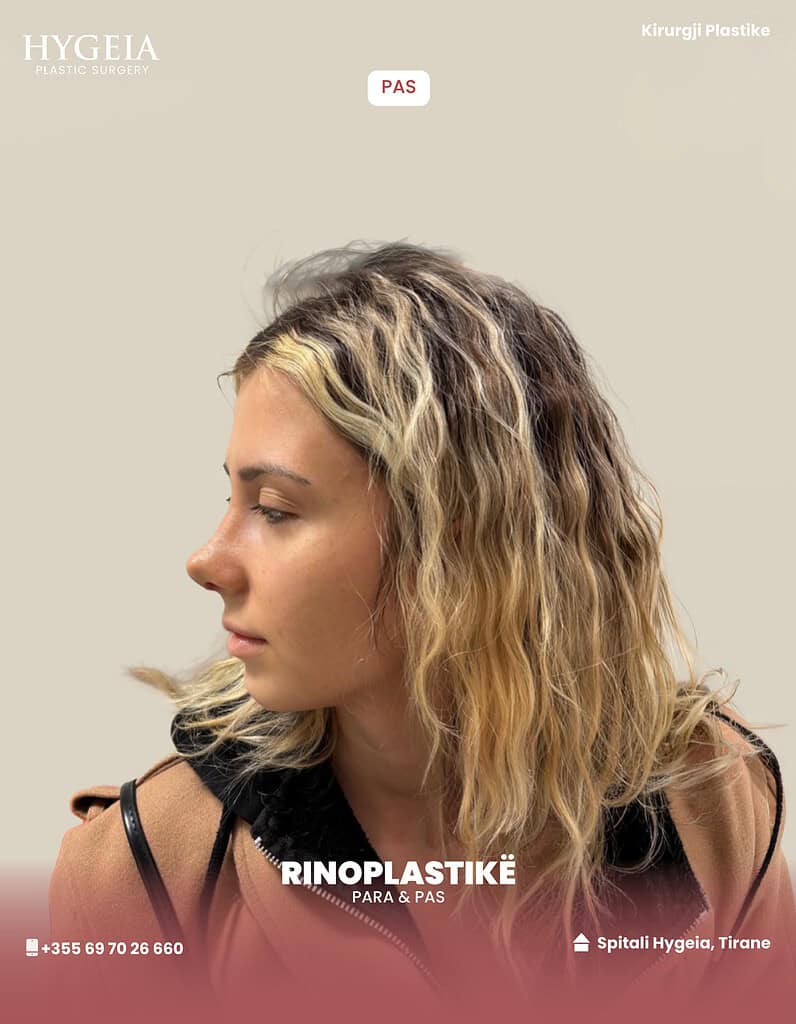
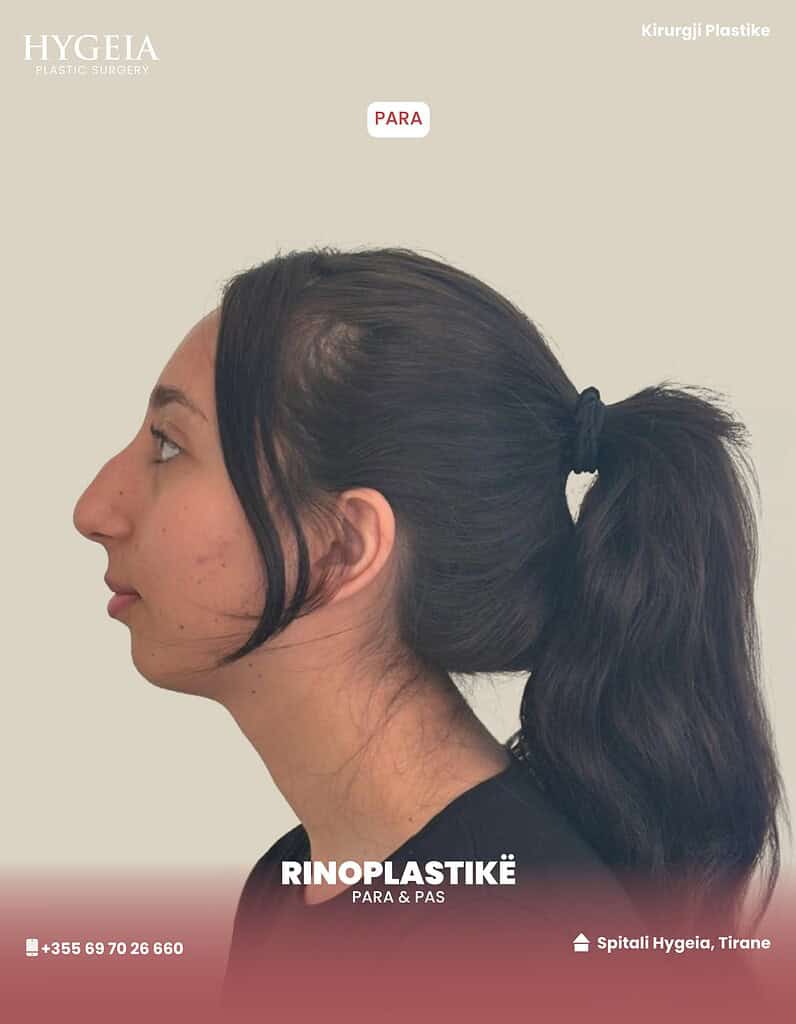
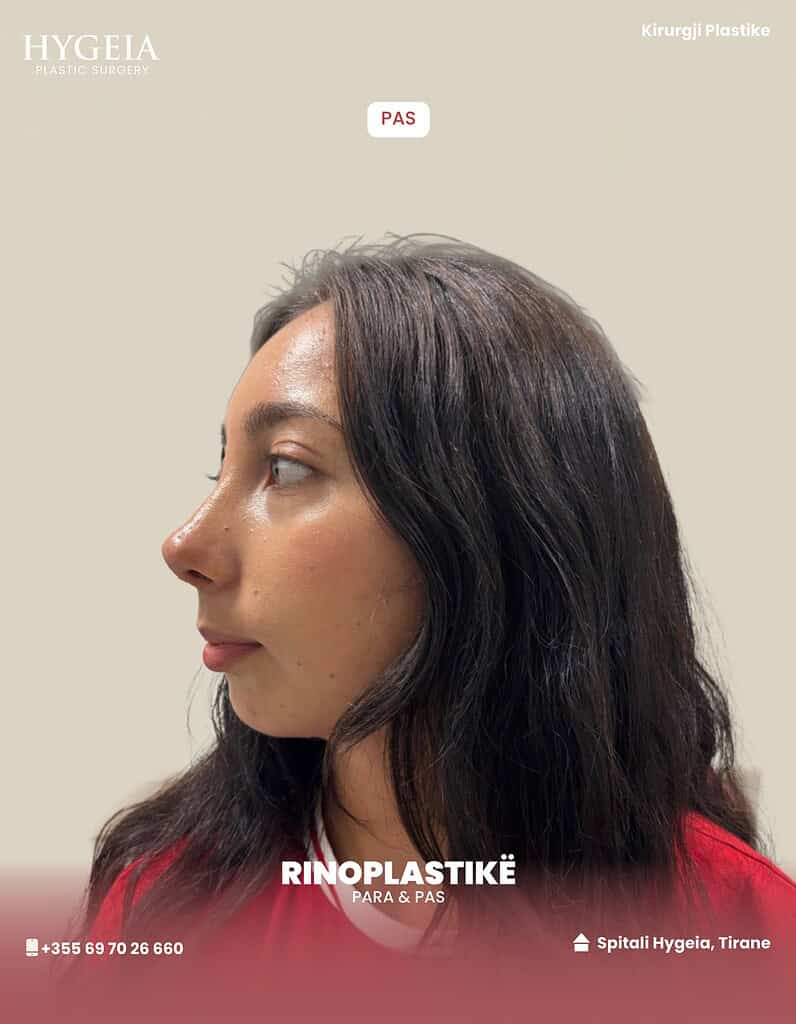
The photographs in this section show real cases of nose surgery at Hygeia. Look at the change in the same patient and assess the nose in relation to the surrounding features.
A useful comparison includes profile, front, and three-quarter views when available. Each view shows a different aspect of the shape.
It is helpful to indicate alongside the photographs how much time has passed since surgery. An early photograph may show the direction of the change while still reflecting swelling and ongoing healing.
The results shown are individual. They help you understand the work and treatment possibilities, but they do not automatically determine your own outcome.
What should you look for in the profile view?
The profile makes it easier to see the nasal bridge, how far the tip projects, and its relationship with the upper lip and chin.
If a bump concerns you, observe how the profile line changes after surgery. Also consider whether the change looks balanced with the rest of the face.
A profile you like on one patient may not be the right choice for another. The shape of the forehead, lips, and chin influences how the nose is perceived.
You can use photographs to explain your preferences—for example, that you would like a smoother profile or a subtle change. The surgeon then assesses what suits your anatomy.
Why should you also view the result from the front?
A profile photograph shows only part of the result. The front view helps you assess the width, side contours, tip, and relationship with the eyes and mouth.
Look at how the nose fits the face as a whole. A small change may improve overall harmony even when it does not look dramatic in one particular detail.
Natural facial asymmetry should be considered during the discussion. Goals for symmetry and straightness need to be assessed individually.
If your concern is more noticeable from the front, mention this during your consultation. This keeps the discussion focused on the angles that matter to you, rather than only the profile.
What does a natural-looking result mean?
For many patients, a natural-looking result means a nose that fits the face and preserves its character.
This goal can involve different changes: refining the profile, adjusting the tip, or correcting a shape altered by an injury. There is no single model that suits everyone.
During your consultation, explain what you would like to preserve as well. Perhaps you like the overall shape but are concerned about one particular feature.
This conversation helps the plan reflect your preferences. The surgeon should explain the possibilities and limitations while also considering the nose’s structural support and function.
When do rhinoplasty results become visible?
You may notice changes after the external splint is removed, but the nose is still healing. Swelling can make the contours appear less defined.
Over the following months, the appearance changes gradually. Swelling reduction and refinement of the shape may take around 6–12 months, sometimes longer, depending on the case.
Always ask when the postoperative photograph was taken. An image from the first few weeks and one taken many months later represent different stages.
Follow-up appointments help assess your progress. If a change concerns you, discuss it with the team that treated you rather than deciding yourself that it represents the final result.
Why can two patients have different results?
Even when two people request a similar change, their starting conditions may differ. Skin thickness, cartilage and bone shape, injuries, and previous operations all influence planning.
Healing is also individual. For this reason, an inspirational photograph should be used as a discussion point rather than a model that can be copied exactly.
Ask the surgeon which elements of a result you like might be achievable for you and which would require a different approach.
A personalised explanation helps connect your preferences with the clinical possibilities. This is more useful than choosing a shape solely from a gallery.
Appearance and breathing should be discussed together
If you have difficulty breathing through your nose, mention it during the consultation even if your main reason for surgery is cosmetic. Explain whether the problem affects one side, occurs at night, or began after an injury.
The examination determines whether functional correction, such as treatment of the septum, is needed alongside changes to the shape.
Before-and-after photographs can show appearance, but they do not prove an improvement in breathing. That outcome is assessed through examination and follow-up of symptoms.
Early congestion after surgery may also be related to recovery. Ask what to expect and when you should notify the team.
How do camera angles and lighting affect photographs?
A comparison is easier to understand when the before-and-after photographs use similar positioning, lighting, and distance.
The angle of the head can make the tip appear more lifted or the profile look different. Facial expression and shadows also affect how contours are perceived.
When viewing the gallery, consider several views rather than basing your impression on a single photograph. If something is unclear, ask for an explanation during your consultation.
For your own follow-up, photographs taken by the team can help document changes over time. Comparing appropriate stages is more useful than constantly checking the nose from different angles.
Which expectations should you clarify before surgery?
Ask what improvement is intended, what may remain unchanged, and what limitations apply to your case. Rhinoplasty does not guarantee an exact shape or perfect symmetry.
Discuss risks as well, including irregularities, breathing difficulties, or dissatisfaction with the appearance. In some cases, reassessment or another operation may be needed.
These questions support a more informed decision. An open conversation helps you understand the benefits and responsibilities of treatment.
If you have had nose surgery before, bring any documentation you have. Revision rhinoplasty requires a specific assessment of the existing changes.
How can you prepare for your consultation at Hygeia?
Write down your two or three main concerns and choose a few photographs that explain your preferences. For each one, try to identify exactly what you like.
Prepare your medical history, medication list, and information about previous injuries or operations.
During the consultation, you can ask:
- Which changes are achievable in my case?
- Which features can be preserved?
- Do I need an assessment of my breathing?
- When can the final result be evaluated?
- How will follow-up appointments be organised after I return home?
If you are travelling from abroad, discuss the length of your stay before booking. The plan should include surgery, initial recovery, and a check-up before departure.
Hospital care and follow-up at Hygeia
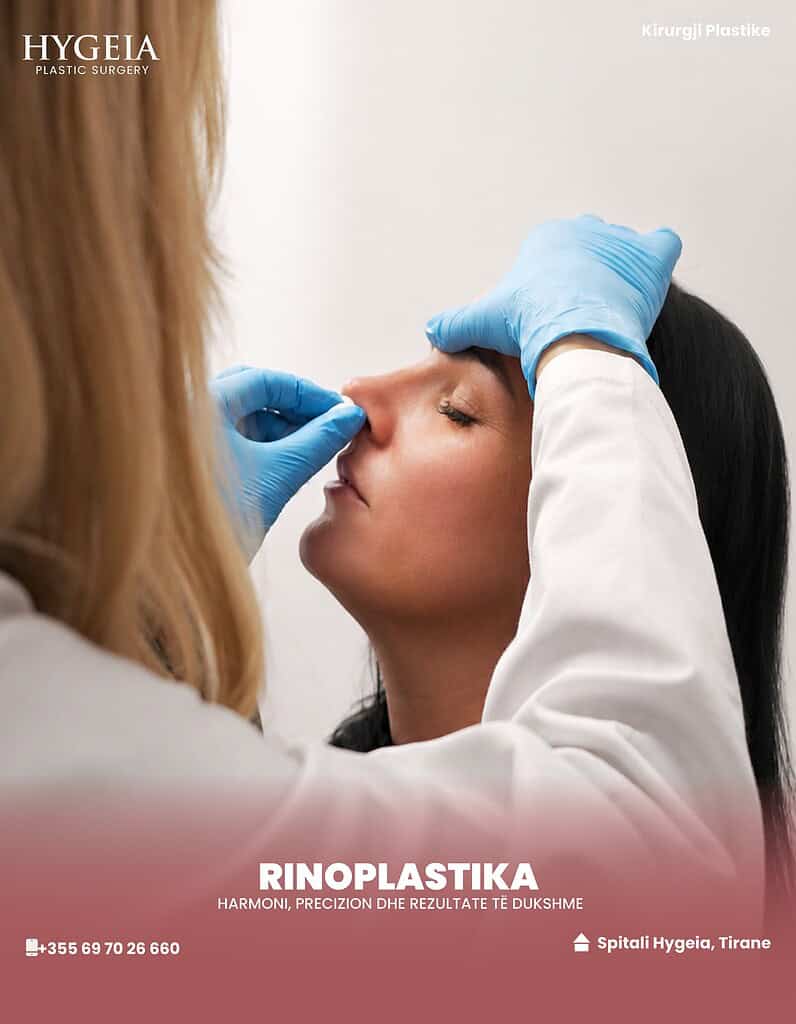
At Hygeia, rhinoplasty is performed within a modern hospital setting, with medical support available 24/7. This environment complements surgical care during your stay.
Before treatment, clarify the contact details, follow-up appointments, and recovery instructions. The availability of your surgeon should be confirmed according to your individual plan.
Follow the advice on activity, protecting your nose, and postoperative care. Do not massage your nose or make changes to your treatment without instructions.
From real cases to your personal plan
Before-and-after photographs at Hygeia can help you explore rhinoplasty results in Albania and identify your questions. The consultation connects these ideas with your anatomy, health, and personal goals.
Contact Hygeia for a rhinoplasty consultation in Albania. Discuss the cases that interest you and the changes you would like, so you can prepare with a clear plan and realistic expectations.