Scars on the skin can form after surgery, injuries, burns, acne or wounds that have not healed properly. For some people, scars are only an aesthetic change, while for others they may cause skin tightness, discomfort or limited movement. Skin scar correction with plastic surgery aims to make scars less visible and more harmonious with the surrounding skin.
What is scar correction?
Scar correction is a treatment that aims to improve the appearance, shape, thickness or position of a scar on the skin. It may include surgical or non surgical techniques, depending on the type of scar and the condition of the skin.
It is important to understand that no treatment can completely remove a scar. The goal is to make the scar less visible, softer, more even or less bothersome for the patient.
When can skin scar correction be needed?
Scar correction may be considered when a scar is very visible, thick, raised, tight or located in an area that attracts attention. Some patients seek treatment because the scar affects the appearance of the face or body, while others seek treatment because it causes discomfort during movement.
In some cases, scars can create a feeling of tightness, itching, pain or limited movement in a specific area. When the scar is not only aesthetic, but also functional, assessment by a plastic surgeon becomes even more important.
Which types of scars can be improved?
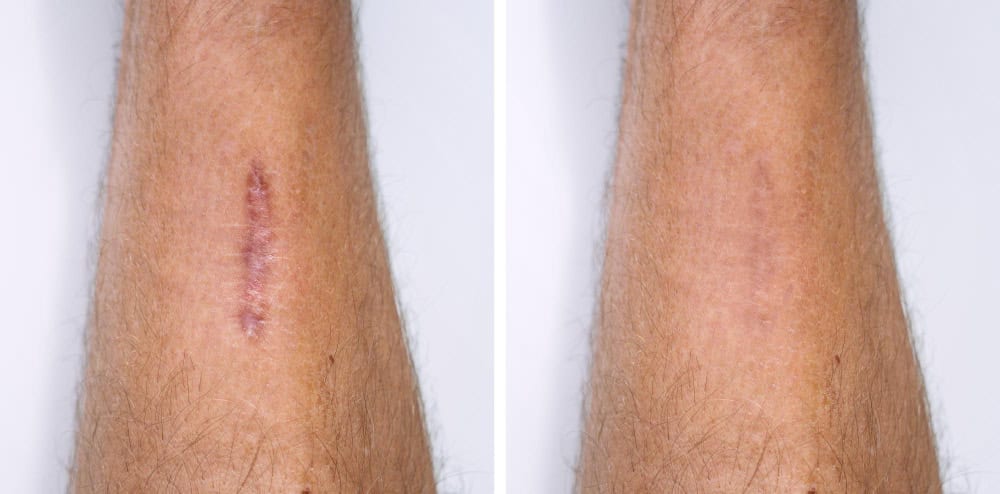
There are several types of scars that can be improved with different treatments. Some are flat but stand out because of their color or texture. Others are raised, thick or firmer than the surrounding skin.
Scars after surgery, scars after accidents, acne scars, burn scars and scars that have widened during healing can be assessed for treatment. The choice of method depends on the appearance of the scar, its age, the area where it is located and how the skin has healed.
Why do some scars become more visible than others?
Skin healing varies from person to person. Some people form thinner and lighter scars, while others may be more prone to thick or raised scars.
The appearance of a scar is also influenced by the area of the body, tension on the wound, infection during healing, sun exposure, wound care and genetic factors. For this reason, two people with similar wounds may have very different healing results.
When is the right time to correct a scar?
Not every scar should be treated immediately. Scars change over time and often become softer, flatter and less red during the months after healing.
In many cases, the plastic surgeon may recommend waiting until the scar has stabilized. If treatment is done too early, the skin may still be in the healing phase and the result may not be optimal. However, in cases where the scar causes functional problems or skin tightness, assessment may be done earlier.
What happens during the consultation with the plastic surgeon?
During the consultation, the plastic surgeon evaluates the type of scar, its size, color, texture, position and the effect it has on the surrounding skin. The history of the wound, how it healed and any previous treatment are also taken into account.
The patient should explain what bothers them most: the appearance, thickness, pain, itching, tightness or position of the scar. This helps the surgeon choose the most suitable treatment and explain what result can realistically be expected.
Non surgical treatments for scars
Not every scar needs surgery. In some cases, non surgical treatments can help improve the appearance of the scar. These may include surface skin treatments, injections, laser therapy or special products for scar care.
These treatments may be more suitable for lighter scars, raised scars, color changes or uneven texture. The result depends on the type of scar and the individual response of the skin.
When is surgery needed for scar correction?
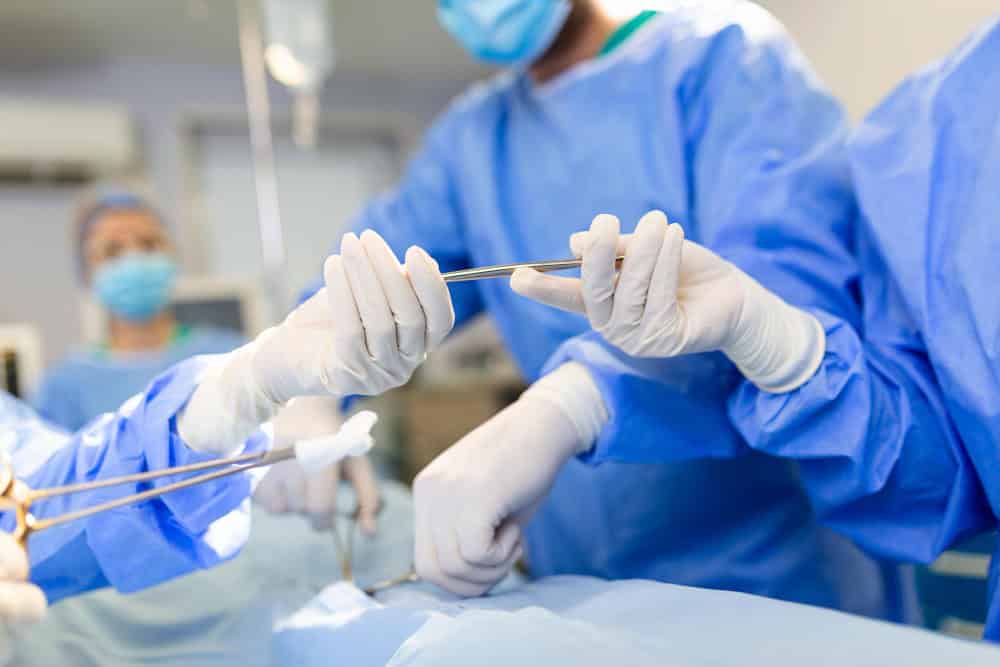
Surgery may be recommended when the scar is wide, irregular, tight or placed in a position that makes it very visible. In these cases, the surgeon may remove the existing scar and close the area more carefully to create a thinner or better positioned scar.
In some cases, surgical techniques are used to change the direction of the scar, make it more hidden within the natural lines of the skin or reduce tension on the wound. The goal is for the new scar to heal in a more regular way.
Does a scar disappear completely after treatment?
No, scars do not disappear completely. Even after surgical correction, the skin creates a new scar, but the goal is for it to be thinner, more regular and less visible than before.
This is one of the most important things the patient should understand before treatment. Scar correction can bring visible improvement, but it does not create skin with no trace at all.
Which areas are treated most often?
Scar correction can be performed on different areas of the body and face. Scars on the face, neck, abdomen, chest, arms, legs or areas where the scar is very noticeable are often treated.
On the face, planning must be especially careful because scars can affect expression and the harmony of the features. On the body, skin tension and movement in the area are also assessed because these factors can affect the new healing process.
Care after scar correction
Care after treatment is very important for the result. The patient should follow the surgeon’s instructions for cleaning the area, protecting it from the sun, using recommended products and avoiding tension on the wound.
Sun exposure can make the scar darker and more visible, especially during the first months after treatment. For this reason, sun protection and regular checkups are an important part of the healing process.
How long does it take to see the result?
The result after scar correction is not assessed immediately. At first, the area may look red, sensitive or slightly swollen. Over the weeks and months, the scar begins to soften and take on a calmer appearance.
In some cases, improvement continues for a long period because scars mature gradually. The patient should be patient and carefully follow the doctor’s instructions to support healing.
Who is a suitable candidate for scar correction?
A suitable candidate is usually a person who is in good health, does not have an active infection in the area to be treated and has realistic expectations. It is important for the patient to understand that the goal is improvement, not complete removal of the scar.
Patients who smoke, have healing problems or are prone to very thick scars should be assessed carefully. In some cases, the surgeon may recommend alternative treatments or additional measures to reduce the risk of poor healing.
Can a thick scar come back?
Yes, some people are prone to forming thick or raised scars even after correction. This depends on genetics, the area of the body, skin tension and how the body reacts during healing.
For this reason, the treatment plan may also include follow up after the procedure. In some cases, additional treatments may be recommended to control scar formation and keep the result as stable as possible.
Skin scar correction at Hygeia Hospital
At Hygeia Hospital, skin scar correction is assessed in a personalized way, taking into account the type of scar, the area where it is located, the healing history and the patient’s expectations. The goal is to choose the most suitable method to improve the appearance and, when necessary, the function of the affected area.
If you have a scar that bothers you aesthetically or causes discomfort, a consultation with the plastic surgeon can help you understand whether it can be improved. With careful assessment and realistic expectations, scar correction can help make the scar softer, more even and less visible.
Book your free consultation now → or message us on WhatsApp: an Italian-speaking coordinator will reply.
Hygeia Hospital, Tirana — the only TEMOS-certified hospital in Albania. European-trained surgeons, over 10,000 international patients per year, transparent prices.